Pearl Therapy Center offers • In-person cupping therapy and online cupping therapy training.
Cupping Therapy Appointment and Holistic Cupping Therapy Training
- Female client, female cupping therapist
- Male client, male cupping therapist
- In-person cupping therapy appointment
- Online Holistic Cupping Training
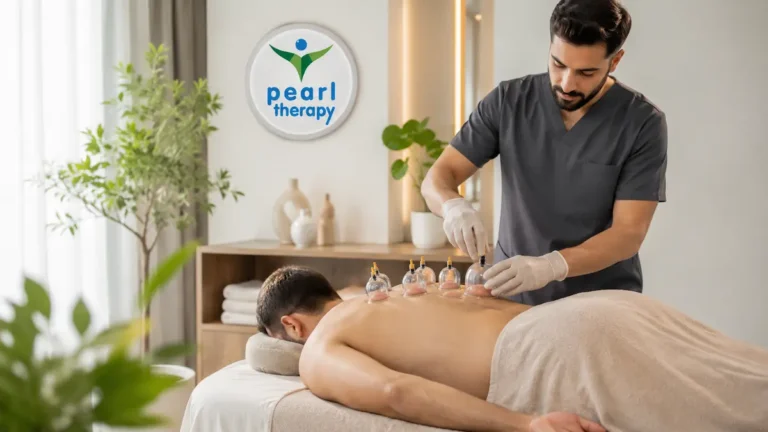
Are you interested in getting cupping therapy or learning about cupping therapy?
There are both options. You can choose the one that suits your needs.
In-person Cupping Therapy Appointment
- Availability information will be obtained prior to the appointment.
- Cupping points are determined on an individual basis.
- Disposable and hygienic materials are used.
- Post-application care is clearly explained.
- A female patient is prescribed a female cupping therapist.
- A male cupping therapist is assigned to a male client.
Let no home be unaware of cupping therapy. Medical safety, Islamic principles, and ancient knowledge are explained together in clear and accessible language.
Online Holistic Cupping Training
- Medical safety, Islamic knowledge, and ancient approaches are considered together.
- The history and basic principles of cupping therapy are explained.
- Points, suitability, preparation and post-care are taught.
- Cupping, vacuuming, hygiene, and waste management are explained.
- Common mistakes and risks are shown.
- Participants in the seminar will receive a certificate of attendance.
Read Real Client Experiences
You can read reviews from clients who have received services from Pearl Therapy on our comments page.
What are Hijama and Wet Cupping Therapy?
Cupping therapy is an ancient wet cupping practice in which small amounts of blood are drawn by creating a vacuum with cups and then making controlled, superficial incisions in the skin.
Dry cupping does not scratch the skin. Wet cupping, however, causes superficial scratches and re-vacuuming.
Cupping Therapy / Hijama
This is a wet cupping method. It consists of stages of vacuuming, controlled superficial scratching, and re-vacuuming.
Dry Cup
There is no incision or bloodletting. The cup is simply held on the skin for a specific period of time using vacuum suction.
Cupping Massage
The process involves moving the cup in a controlled manner over skin that has been treated with the appropriate product.
By what other names is it known?
Cupping therapy is known by various names including hijama, wet cupping, wet cup, cupping therapy, dry cupping, dry cupping therapy, wet cupping therapy, cup application, and subcutaneous bloodletting . The terms "heavy metal detoxification" and "subcutaneous toxin cleansing" are also commonly used.
Origin of the word
The TDV Islamic Encyclopedia explains the Arabic word hicâme as originating from the root hacm , meaning "to suck."
history
Documents dating back to the 2000s BC mention cupping and bloodletting practices. They were used in various forms in Chinese, Indian, Persian, Greek, Islamic, and Ottoman medical traditions.
In ancient and descriptive texts, cupping therapy is also described as "a unique method with no alternative." This expression shows the importance that tradition attaches to cupping therapy;
What is the logic behind cupping therapy?
In daily life, the body is exposed to factors such as nutrition, respiration, stress, inactivity, and environmental influences. In the ancient understanding of cupping therapy, the aim is to reduce stagnation in specific areas, remove toxic heavy metals from those areas, and promote blood flow, allowing new blood to enter and heal.
Vacuum effect
The cup pulls the skin and superficial tissue upwards. A temporary mechanical and circulatory effect occurs in the area. Heavy metals and stagnant blood are drawn to the surface by the vacuum.
Superficial Blood Sampling
In wet cupping, a limited amount of blood is drawn through controlled, superficial incisions.
Relaxation
It provides relief from muscle tension, localized stiffness, and improves ease of movement, among many other ways.
Energy Balance
In the ancient and holistic approach, the body's energy flow is explained through the concepts of vitality and aura. Cupping therapy balances the body's energy flow.
For what purposes is cupping therapy preferred?
- Muscle and back tension,
- Neck and shoulder stiffness,
- A feeling of heaviness in the lower back area,
- Tension in the head area,
- Limited mobility,
- Feelings of fatigue and low energy,
- The desire for physical relaxation,
- The desire for mental relaxation and rest,
- Traditional preventive care,
- Cupping therapy with the intention of following the Sunnah,
- A general desire for cleansing and renewal,
- A person's holistic care plan.
- And cupping therapy is beneficial for all kinds of problems.
Pearl Therapy does not limit cupping therapy to a single complaint. The individual's goals, general condition, body type, and suitable treatment points are evaluated together.
The Discourse on Subcutaneous Accumulations, Toxins, and Stagnant Blood
At the ends of capillaries, "stagnation of blood" occurs, along with the accumulation of environmental stress, toxins, and heavy metals. A lack of flow is similar to a stagnant lake. These accumulations affect oxygenation, vitality, and physical and psychological balance; the magnetic field they create also weakens the energy body and aura.
Cupping therapy, through vacuum and superficial blood removal, stimulates stagnant areas, promoting regional flow and relaxation. This increases the supply of oxygen and energy to cells, enabling nearby tissues to function more efficiently.
On which days and at what times is cupping therapy performed?
The 17th, 19th, and 21st days of the Hijri month are the most preferred days.
First Choice
The 17th, 19th, and 21st days of the Hijri month stand out in narrations and tradition.
Second Choice
The 23rd, 25th, 27th, and 29th days of the Hijri month are considered suitable in the traditional calendar.
Other Days
Days 16, 18, 20, 22, 24, 26, 28, and 30 are also evaluated.
The first 15 days of the Hijri month
Cupping therapy is not recommended during the first 15 days of the Islamic month due to the position of the moon and the extraction of bodily fluids.
| Day group | Traditional approach | |
|---|---|---|
| Monday, Tuesday, and Thursday | It is more preferred. It is praised in some accounts. | |
| Wednesday, Friday, Saturday, and Sunday | Some sources advise caution, as there is a possibility of "adverse effects." |
There are traditions that link cupping therapy on Wednesdays to leprosy or vitiligo, and associate Mondays and Tuesdays with the deliverance of Job from his affliction.
What time of day is it?
- Traditionally, the morning and mid-morning hours after sunrise are preferred.
- According to accounts attributed to Ibn Sina, the second and third hours after sunrise are highlighted.
- The period between sunrise and the time of the afternoon prayer (Asr) is suitable.
- It should not be applied at night, during very hot or very cold weather.
- Not recommended when very full or very tired.
Knowledge of Seasons, Months, and Ancient Times
Ibn Sina and other classical physicians considered milder periods like spring and autumn, morning hours, and a person's age, strength, and temperament as important factors. Extremely hot summer days and freezing winter days were considered less suitable.
Ancient texts also describe the 16th–21st days of the lunar cycle, the post-full moon period, the moon's position in signs like Gemini, Libra, and Aquarius, and its relationship with planets like Venus and Jupiter. These are parts of the ancient history of medicine based on astrological and humoral factors.
Blood pressure increases in the middle of the month, a tidal effect is reflected in hormones and bodily fluids, and labor and menstrual bleeding may increase during a full moon. Some ancient physicians also claimed that taking blood before sunrise could damage the spleen.
Some physicians, such as al-Zahrawi, have said that if there is a need, one should not wait for a special day or season. In the approach attributed to Ibn Sina, genuine need takes precedence over the calendar.
Short answer: A person having the circumcision performed with the intention of following the Sunnah can choose the 17th, 19th, or 21st day of the Hijri calendar. The person's safety and suitability take precedence over the calendar.
Let's determine a suitable day and time together.
Write down your questions. Inform us of any medications you are taking and any important medical conditions. Schedule an appointment with a female or male cupping therapist.
Cupping from the Perspective of Islam
Cupping therapy is one of the most powerful healing and care methods known in Islamic tradition. Authentic sources state that the Prophet Muhammad (peace be upon him) underwent cupping therapy and paid the practitioner.
Is cupping therapy mentioned in the Quran?
There is no specific verse in the Quran that designates specific days or times for cupping therapy. Seeking healing, protecting the body, and resorting to halal (permissible) methods of treatment are all part of Islam's general approach. The verse 17:82 of Surah Isra states that the Quran is a source of healing and mercy for believers; it does not directly specify a cupping therapy schedule.
Cupping Therapy in Hadiths
- It is reported that the Prophet Muhammad (peace be upon him) underwent cupping therapy on his head, on both sides of his neck, and between his shoulders.
- The narration of Abu Kebshe al-Anmari mentions application to the area between the head and the two shoulders. Source: Abu Dawud, Tibb 4; Ibn Majah, Tibb 21.
- The regions of Ahdayn and Kahil are mentioned in the narration of Anas ibn Malik. Source: Abu Dawud, Tibb 4; Tirmidhi, Tibb 12; Ibn Majah, Tibb 21.
- The 17th, 19th, and 21st days of the Hijri month are highlighted in some narrations. There are differing opinions regarding the authenticity of these narrations.
- It is mentioned in Bukhari and Muslim that the person performing cupping therapy is paid a fee.
- There are also narrations praising cupping therapy, including expressions such as removing excess blood, relieving back pain, and benefiting the eyes and memory. These are not presented as a guarantee of current medical results.
- The narration stating that cupping therapy was recommended on the night of Mi'raj is also mentioned in Tirmidhi and Ibn Majah. The reliability of these narrations varies.
Key hadith titles: Bukhari, “Medicine” 11–15, “Rent” 18 and “Fasting” 32; Muslim, “Sacrificial Animals” 62–63, 66 and “Greetings” 71; Abu Dawud, “Medicine” 3–5; Tirmidhi, “Medicine” 12; Ibn Majah, “Medicine” 20–22.
The Approach of the Four Schools of Thought
Hanafi school of thought
It does not impose a specific day requirement. Badr al-Din al-Ayni explains that there is no fixed, binding calendar for cupping therapy. Suitability and need take precedence.
Shafi'i school of thought
He does not consider the prohibition on specific days to be binding. Some Shafi'i scholars consider the 17th, 19th, and 21st days to be preferable or recommended.
Maliki School of Thought
He was flexible regarding the day. It is reported that Imam Malik had cupping therapy on different days of the week and did not consider any particular day to be reprehensible.
Hanbali School of Thought
He treats some daily predictions with caution. Nevertheless, he does not stipulate a specific day or time if necessary.
For the Hanafi School of Thought: Ablution, Fasting, Wages, and Privacy
- Ablution: According to the Hanafi school of thought, if blood flows beyond the designated spot, ablution is invalidated. After bloody cupping, ablution must be renewed for prayer.
- Fast: According to the Hanafi and majority opinion, cupping alone does not invalidate the fast. However, if it will weaken the person, it may be more appropriate to postpone it until after breaking the fast. Blood should not be swallowed.
- Fee: Although there are conflicting accounts in the sources, there is an authentic narration that the Prophet Muhammad paid the person who performed cupping therapy.
- Ihram: There is a practice that it is permissible for a person in ihram to undergo cupping therapy. The rules regarding necessary shaving during ihram are evaluated separately.
- Privacy: Privacy and modesty are protected. At Pearl Therapy, appointments are scheduled with female cupping therapists for female clients and male cupping therapists for male clients.
Why aren't daily traditions considered an absolute prohibition?
Bukhari did not include these time-specific narrations in his work. Ibn Hajar al-Asqalani and the Hanafi scholar Badr al-Din al-Ayni state that there is no fixed time for cupping. Therefore, Monday, Tuesday, Thursday, and the 17th, 19th, and 21st of the Hijri calendar may be preferred; Wednesday, Friday, Saturday, or Sunday are not declared definitively forbidden or definitively harmful.
Detailed accounts of religious sects
- Hanafi: Aynî's approach lacks authentic and binding evidence regarding the timing of the prayer. The avoidance of Wednesday by some circles is a precautionary measure, not a religious ruling.
- Maliki: It is reported that when Imam Malik was asked about Saturdays and Wednesdays, he saw no harm in them; he had cupping therapy performed on different days of the week.
- Shafi'i: Nawawi states that there is no authentic evidence prohibiting cupping on a specific day. Some scholars consider the narrations regarding the 17th, 19th, and 21st days as preferable.
- Hanbali: It is said that Imam Ahmed avoided Wednesdays and Saturdays in some accounts, preferring Sundays or Tuesdays. A legend about him regarding leprosy is also narrated. Nevertheless, it is also reported that when his blood flowed freely, he did not wait for a specific day or time.
The common point among the four schools of thought is this: need and security take precedence over weak historical narratives.
Are cupping and leech therapy the same thing?
No. Cupping therapy involves creating a vacuum with cups. In leech therapy, bloodletting progresses more slowly with medicinal leeches. Historically, it is said that leeches gradually replaced some capillary bloodletting practices known as "minor cupping." Ancient sources also state that it was preferred for weaker individuals, such as children or the elderly, due to its slow and controlled nature. This is not a current or automatic rule of suitability. Similar measures such as season, morning time, and physical strength are given for both methods. There is no specific day requirement for leech therapy.
Ibn Sina, Islamic Physicians, and Ottoman Medicine: Cupping Therapy
In classical texts, cupping therapy is not seen simply as the application of cups. Time, season, age, physical strength, temperament, the point of application, and post-treatment care are all considered together.
Ibn Sina
In al-Qanun fi't-Tibb , time, season, age, physical strength, and temperament are all considered together. The period after the middle of the month, mild weather, and morning hours are highlighted.
Razi, Majusi, and Ibn Masawayh
They wrote treatises and books on bloodletting, bodily balance, vein selection, and procedure conditions.
Zahrawi
Et-Tasrif addresses tools, locations, and techniques. It advocates for not delaying action if there is a genuine need.
Ibn Qayyim al-Jawziyya
He considers both anecdotal evidence and the medical knowledge of his time. He prefers the second half of the month, indicating that there is no time to wait when needed.
Sabuncuoğlu Şerefeddin
In his 15th-century work, Cerrahiyyetü'l-Hâniyye, he describes cupping and bloodletting practices under the name "mihceme" with illustrations.
Doctor Bereket
Tuhfe-i Mübârizî discusses preventive health, movement, symptoms, timing, and the classical understanding of balance.
The Understanding of Humors, Temperament, and Heat
Classical texts describe a dry cup as having a warming effect, while a wet cup has a cooling effect. These explanations, based on the balance of blood, phlegm, bile, and melancholy, reflect the understanding of humors and temperaments prevalent at the time. Depending on whether the temperament was cold or damp, or dominated by intense phlegm or melancholy, other balancing methods were suggested first.
Some ancient texts also mention methods such as inducing sweating or vomiting in such cases. These are historical practices; they are not current health recommendations for self-treatment.
A specific historical example in Sabuncuoğlu's work.
In Sabuncuoğlu Şerefeddin's surgical work, the vacuum "mihceme" is also described as a method for draining air or fluid accumulated in chest membrane injuries. This is an example from 15th-century surgical history. Today, chest injuries are considered emergencies; cupping therapy is not used.
Other time details described in ancient sources
- Spring is described as the first choice, and autumn as the second.
- The 16th–21st days of the month and the period after the full moon are particularly prominent.
- Morning, mid-morning, or the second or third hour of the day is recommended.
- It is advisable to reduce the number of applications in extreme heat and extreme cold.
- The position of the Moon in the zodiac signs and its planetary aspects are mentioned in some philosophical texts.
- Different clock diagrams have been created for the heart, liver, and other organs.
- These statements represent historical medical opinion. They are not current clinical rules or religious obligations.
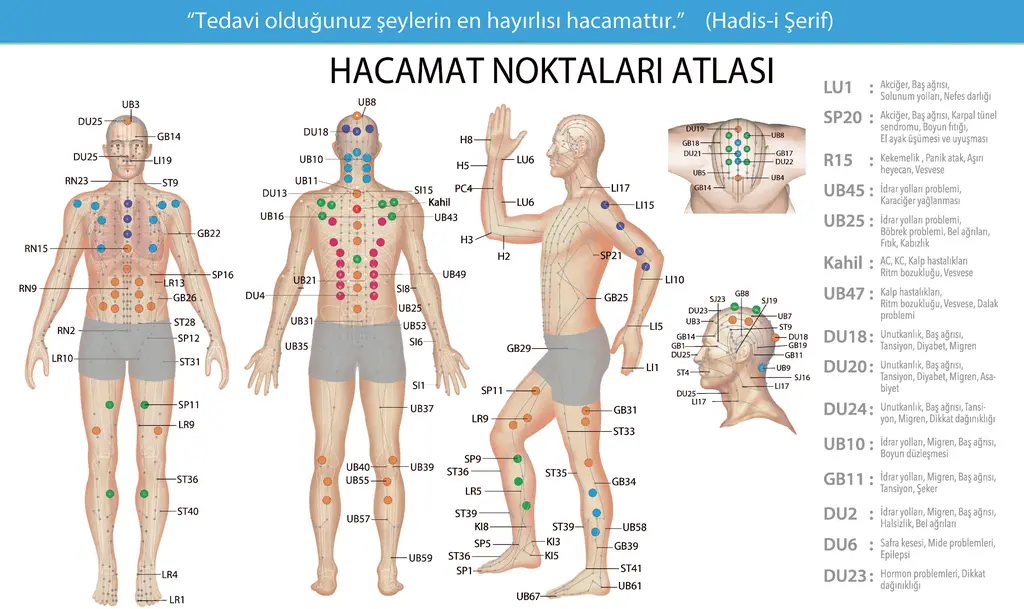
How are cupping points selected?
Cupping therapy is not performed on everyone at the same point. The purpose is to evaluate the individual's body type, skin, age, medications being used, previous treatments, and strength all together.
Frequently Used Regions
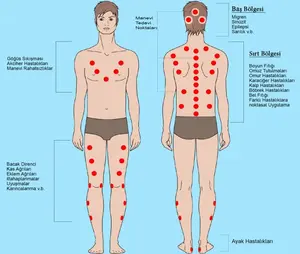
- The kahil region, which is the area between the two shoulder blades,
- Neck base and upper back,
- Suitable areas around the shoulder,
- The ahdayn region, which is the area on either side of the neck,
- The sides of the waist and the lumbar region,
- Suitable fleshy areas around the hips,
- Safe areas around the knee,
- Calf and leg areas,
- Other safe zones determined on a case-by-case basis.
The kahil is associated with approximately the C7–T1 level, while the ahdayn is associated with the area around the mastoid behind the ear. Head and neck regions require specialized knowledge and high attention; they should not be applied routinely or haphazardly.
Key Points Mentioned in Classical Texts
- The point in the middle of the head is referred to as "healing cupping" in some texts and is associated with conditions such as headaches.
- In some texts, the treatment applied to the area around the waist is referred to as "releasing cupping."
- Application to the back of the calf has been associated with skin complaints such as itching and scabies in older sources.
- The nape of the neck, or nukra point, has been associated with melancholy in some ancient texts; it has also been suggested that frequent application may cause forgetfulness.
Important: These are historical usage accounts. Serious risks can exist in the head, scalp, and neck area. They are not a modern diagnostic or treatment recommendation. The NCCIH notes that although rare, cases of intracranial hemorrhage have been reported following scalp cupping.
Areas Where Cupping Therapy Is Not Performed or Requires High Attention
- The delicate hollow at the top of the head,
- The nape of the neck and the scalp,
- Front of the neck,
- The midline of the chest,
- Anterior abdominal wall,
- Open wounds, burns, and boils,
- Active eczema, psoriasis, or infected skin,
- Vitiligo is a condition characterized by moles and prominent skin lesions.
- Varicose veins, aneurysms, or prominent blood vessels,
- Very thin, bony, hairy, or sensitive areas,
- Narrow areas where the cup does not sit flat,
- Prominent points such as the kneecap,
- Private and high-risk areas.
Who should not undergo cupping therapy, or who requires a preliminary assessment?
Cupping therapy is not suitable for everyone or in every situation. The following conditions must be clearly communicated beforehand.
Bleeding and Blood Values
- Severe anemia,
- Hemophilia, or a serious blood clotting disorder,
- Use of blood thinners or medications that increase the risk of bleeding,
- History of blood loss due to recurrent age-related cupping.
Acute and Severe Conditions
- High fever or suspected sepsis,
- Active skin infection,
- Suspicion of acute abdominal conditions such as acute appendicitis or intestinal obstruction,
- Active and uncontrolled seizures,
- Fainting, severe shortness of breath, or chest pain.
- Pregnancy,
- The postpartum and postpartum recovery period.
- Menstrual period, especially if there is heavy bleeding or fatigue,
- Significant weakness or anemia during breastfeeding.
General Strength and Age
- Very young children,
- Elderly people who are not in good physical condition,
- People who are having cupping therapy for the first time and those who faint easily,
- Very low blood pressure, dehydration, or nutritional deficiencies,
- Extreme weakness or general fatigue.
Age and Temperament Limits in Ancient Sources
Traditional Persian and Ottoman texts generally advise against cupping for individuals under 2 years old and over 60 years old. An older text also stated that it should not be performed on individuals over 65, those who are not vigorous, or those who have never had cupping before. While some accounts mention a specific application to the back of the neck for a four-month-old baby, this is not a current or general rule of practice. The classically ideal period is roughly described as from adolescence to the 50s.
The old research text stated that routine treatment would not be applied to a 70-year-old; however, in a specific case such as high blood pressure, limited treatment under medical supervision might be considered. This historical example is not current hypertension treatment. A high blood pressure crisis requires urgent medical evaluation.
Ancient texts also do not give the same limit regarding pregnancy. While the previous page states that the first three months are inadvisable, some Persian medical texts specifically prohibit pregnancy after the fifth month. This contradiction shows that the historical lunar limit is not a modern and reliable measure of safety. On this page, pregnancy is treated as a situation requiring entirely individual assessment.
Classical texts also separately evaluate individuals who are excessively overweight, excessively thin, have very dry skin, are prone to constipation, have excessive phlegm, or have a melancholic temperament. These are historical measures of temperament; nowadays, instead of a fixed medical age limit, a person's health status and local professional conventions are taken into account.
Medications should not be stopped on your own. Aspirin, prescription blood thinners, and other regular medications must be reported before your appointment. Only the healthcare professional who prescribed the medication can make any changes.
Cupping therapy should not be waited for in emergency situations: In cases of suspected heart attack, stroke, hypertensive crisis, severe bleeding, acute abdomen, sepsis, or active seizures, emergency medical services should be sought. Cupping therapy is not a substitute for emergency medical intervention.
What is done before cupping therapy?
Proper preparation helps the process go more smoothly and efficiently.
Before the Appointment
- The intention is expressed verbally or silently.
- You'll sleep well. You won't come home tired.
- A warm shower is taken to keep the body clean.
- The treatment should not be applied immediately after a very hot bath or shower.
- Comfortable, loose clothing that facilitates access to the area is worn.
- Please come having performed ablution, if possible.
- No creams, perfumes, or random chemical products should be applied to the area.
- Intense sports and physically demanding work should be avoided.
- The body is kept warm.
- Calm breathing and relaxation exercises can be done.
Nutrition Preparation
The previous article recommended a three-day vegan diet before cupping therapy; if that wasn't possible, a vegetarian diet was advised. Meat, milk, eggs, honey, cheese, yogurt, and fish were included in this list. A plant-based and light diet was particularly emphasized for the last 24 hours.
- Vegetables, light soups, and easily digestible foods can be preferred.
- Foods that are heavy, fatty, high in sugar, and processed are reduced.
- Don't come too full.
- One should not go without food or water for extended periods.
- The last meal and water time is determined according to the individual and the appointment.
Previous fasting recommendation: The previous text stated 8 hours, with at least 4 hours of fasting and no water intake for the last 2 hours. Due to the risk of fainting and dehydration, these durations are not strictly applicable to everyone. Individuals with diabetes, low blood pressure, pregnancy, or other specific health conditions will be evaluated separately.
Son 24 Saat
- No alcohol should be consumed. Ideally, abstain three days beforehand.
- No smoking. The old recommendation was to quit within 24 hours; at least during the last four hours.
- Avoiding sexual intercourse and masturbation for 24 hours is among the traditional recommendations.
- Go to bed early and get a good rest.
- Sugary foods are reduced. Vegetables and light meals are chosen.
- Medications that affect bleeding and important health information are communicated in advance.
Old list of foods said to thin the blood
On the previous page, foods rich in vitamin C, such as lemons, garlic, ginger, turmeric, cloves, chamomile tea, chili peppers, cranberries, grapes, sour cherries, and cherries, were listed as "blood-thinning foods."
These foods are not the same as prescription blood thinners. Normal foods are not arbitrarily banned. Supplement or intensive herbal product use should be reported. Medications should absolutely not be stopped on their own.
When you come to your appointment, please bring: your ID, a list of any medications and supplements you regularly take, any information about previous cupping therapy sessions, and any important health conditions that may affect you.
How is Professional Cupping Therapy Applied?
Cupping therapy consists of the following stages: preliminary assessment, point selection, hygiene, controlled vacuuming, superficial treatment, and post-treatment care. This section is for general information only and is not a self-application instruction.
Secure Disclosure of Details in the Legacy Application Text
- In the past, horn, glass, and bamboo cups were used. Today, there are special vacuum cups. Classical sources also emphasize that in heat-vacuuming methods, the edge of the cup should not become burnt.
- According to a narration attributed to Abdullah ibn Omar, when choosing a practitioner, it is advised to prefer someone who is "neither too old nor too young, and who is knowledgeable in their field." Today, the main criteria are not age, but education, hygiene, competence, and safe application.
- The old text described cleansing the energy of the environment with bay leaves or similar incense. This is a traditional practice; it is not used without considering allergies, asthma, sensitivity to smells, and the individual's consent.
- Alcohol-free disinfectants are particularly advocated; it was argued that alcohol would irritate the skin and capillaries, be absorbed through the skin, and increase blood flow. Modern safety principles prioritize skin antiseptics that are suitable and approved for procedures involving contact with blood. Product selection is based on hygiene protocols, not on this outdated claim.
- Warming essential oils, massage, and moving cupping were part of the old treatment sequence. If used, skin sensitivity is assessed, and the skin is appropriately re-prepared before any invasive steps.
- Historically, durations were given as approximately three minutes for the initial vacuum application and five to ten minutes for the general cupping session. Instead of a fixed time, the skin and the individual's reaction are monitored. The cupping is not held for longer than necessary.
- The old text claimed that a scalpel was three times thicker than a razor blade, explaining this with greater pain, deeper and wider cuts, delayed healing, and a greater likelihood of scarring. In safe practice, the name of the tool is not important; sterile, single-use, appropriate products and trained technicians are essential. Reused or merely “disinfected” blades should not be used.
- The instructions stated that the cuts should be as superficial as scratches on the edge of paper, short and spaced far apart. This page does not teach surgical technique. Deep cuts should not be made.
- Observations such as blood, gas, or white fluid that comes out are considered in older terminology. The expelled material is not interpreted as a diagnostic tool.
- The old text recommended giving bloody waste to the person, burying it in the ground, or burning it. This is not safe. Bloody waste and cutting tools are disposed of according to the relevant biological waste regulations.
- The recommendations to avoid using woolen or lint-free cloths for cleaning, to allow the area to air out briefly, and to wear loose clothing have been maintained.
Basic Principles of Pearl Therapy Application
- Disposable materials,
- Personalized location selection,
- Controlled vacuum,
- Superficial and systematic process,
- Avoiding unnecessary blood loss,
- A lighter approach in the first implementation,
- Protecting privacy,
- Female client, female cupping therapist,
- A male cupping therapist for a male client.
- Clear and written aftercare information.
What to do after cupping therapy?
- Rest for 20-30 minutes after the procedure.
- If a person feels well, they can take a short, light walk.
- If you experience dizziness or weakness, sit down and drink fluids and eat light food.
- Heavy work, intense sports, and physically demanding activities should be avoided during the first few hours.
- Traditional advice suggests waiting about two hours before the first light meal. Strict fasting is not practiced because the individual's condition is more critical.
- Homemade compote, honey syrup, or carob drink can be preferred if suitable for the individual.
- It is traditionally recommended to refrain from sexual intercourse and masturbation for the first 24 hours.
- A plant-based and light diet for one to three days; if that is not possible, a vegetarian diet is among the old care recommendations.
- It is traditionally recommended to protect the application area from water for the first 12 hours. Follow the provided care instructions.
- Afterwards, take a lukewarm shower. Keep the area clean and dry.
- The scars should not be scratched. The scabs should not be removed.
- Cold, harsh winds, and tight clothing should be avoided.
- Creams, oils, or chemical products should not be applied haphazardly to the area.
- The previous article recommended a mixture of St. John's wort oil and cold-pressed olive oil. Due to the possibility of skin reactions and drug interactions, it should only be used if deemed appropriate.
- Traditional advice suggests avoiding sleep for the first four hours. This is not a medical necessity.
- Greenish, reddish, or purple cupping marks may be visible for a few days. If the mark gradually darkens, becomes very painful, or shows signs of infection, it is not considered normal.
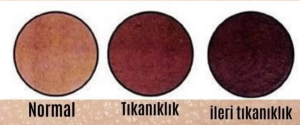
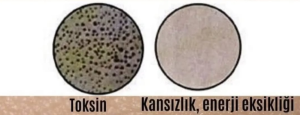
Seek help if you experience: bleeding that doesn't stop, increasing pain, spreading redness, swelling, pus, fever, fainting, shortness of breath, or any other unexpected severe symptoms.
What can be learned in online holistic cupping therapy training?
This training doesn't view cupping therapy as simply applying cups. It explains the entire process from start to finish, within a holistic framework.
Basic Information
- What is cupping?
- The difference between dry and wet cups.
- History
- Islamic and ancient sources
Application Information
- Cup and vacuum selection
- Cupping points
- Surface treatment principles
- Hygiene and waste management
Personal Suitability
- To whom does it apply?
- Who is it not applicable to?
- Age and physical strength
- Before and after care
Holistic View
- Body and energy balance
- Intention and relaxation
- Seasons and Hijri days
- Effective client communication
The training is delivered online. Participants receive a certificate of attendance. The aim is to teach accurate information, safety, appropriate person selection, timing, hygiene, and aftercare as a whole. After completing the correct training and acquiring the necessary competence, individuals can aim to consciously become a source of healing for themselves, their loved ones, and their environment.
Safety training limits: Wet cupping is an invasive procedure that involves cutting the skin and coming into contact with blood. Simply watching online content does not replace supervised practical training and legal competence. Individuals must complete the necessary practical training and understand the regulations in their country before performing the procedure on themselves or others.
10 Scientific Studies on Cupping Therapy
Cupping and hijama (cupping therapy) have been researched in areas such as pain, muscle tension, mobility, and quality of life.
Limitations of evidence: According to the NCCIH, most research on cupping is of low quality. There is evidence that it may help reduce pain; however, the evidence is not strong. There is insufficient high-quality research to draw conclusions for other conditions.
1. Chronic Pain
A 2020 systematic review and meta-analysis evaluated controlled cupping studies on chronic pain. While the results show potential benefit, study quality and different methodologies should be considered.
2. Back Pain
The study, published in 2022, examined the outcomes of self-management with dry and wet cupping in 10 studies involving 690 adults.
3. Neck Pain
A systematic review and meta-analysis compiled the outcomes of cupping therapy on neck pain, function, and quality of life.
4. Migraine
A 2021 systematic review evaluated the outcomes of cupping therapy for migraine by combining six controlled studies.
5. Musculoskeletal Complaints
This evidence-based review evaluated the outcomes and side effects of musculoskeletal and sports rehabilitation by examining 22 studies selected from 2.214 records.
6th Birthday Cup Studies
A 2016 systematic review brought together nine randomized controlled trials of age-related cupping therapy. It noted promising but limited evidence, particularly in the field of musculoskeletal pain.
7. Knee Osteoarthritis
A 2017 meta-analysis compared four controlled studies on cupping in knee osteoarthritis. Due to the small number of studies, definitive conclusions cannot be drawn.
8. Cupping Massage
A randomized controlled trial involving 50 people comparatively examined cupping therapy in chronic and non-specific neck pain.
9. Chronic Back Pain
The 2018 review analyzed the results by selecting relevant studies from 611 records found for chronic back pain.
10. Studies on High Blood Pressure
A systematic review evaluated small controlled studies on wet cupping in the field of hypertension. These findings do not justify discontinuing blood pressure medication or treating hypertensive crises with cupping.
Known Risks
Temporary cupping marks can be expected. Permanent discoloration, scarring, burns, infection, eczema, or worsening of psoriasis may occur. Anemia has been reported with repeated wet cupping; rare reports of serious bleeding have been reported with scalp application. Bloodborne diseases such as hepatitis B and C can be transmitted if blood-contaminated equipment is not properly disposable or sterilized.
Public Figures Who Have Undergone Cupping Therapy (Hijama)
The following individuals are among those whose names appear in the press or publicly available social media posts in connection with cupping therapy:
Conor McGregor, Khabib Nurmagomedov, Justin Bieber, Karim Benzema, David Beckham, Victoria Beckham, Gwyneth Paltrow, Neymar, Dwayne Johnson, Michael Phelps, Recep Tayyip Erdoğan, Jennifer Aniston, Madonna, Prince William, Kate Middleton, Jessica Simpson, Britney Spears, Lindsay Lohan, Deniz Akkaya, Orkun Işıtmak, Yeliz Yeşilmen, Tuba Büyüküstün, Ziynet Sali, Abdurrahman Dilipak, Alex Naddour, Lea Michele, and Sofia Hayat.
This list is based on publicly available news and social media posts. The inclusion of names here does not imply that they use or endorse Pearl Therapy services.
Cupping Therapy Appointments in Belgium and Nearby Regions
The exact address and availability for in-person sessions will be confirmed at the time of your appointment. Clients from Brussels and the Kortenberg area can contact customer service.
Information about the Online Holistic Cupping Therapy Training can also be obtained from outside Belgium. The possibility of participation from the Netherlands, Germany, France, and Türkiye can also be inquired about.
Frequently Asked Questions About Cupping Therapy
1. What is cupping therapy?
Cupping therapy is an ancient wet cupping method in which a limited amount of blood is drawn from the skin by applying a superficial treatment after creating a vacuum with cups.
2. Are cupping and dry cupping the same thing?
No. Dry cupping does not scratch the skin or draw blood. Wet cupping, also known as hijama, involves a superficial procedure and a secondary vacuum.
3. On which day is cupping therapy performed?
The 17th, 19th, and 21st of the Hijri calendar are the most preferred days. However, according to the Hanafi school of thought, there is no specific day requirement; the individual's suitability and need take precedence.
4. Is cupping therapy prohibited on Wednesdays, Fridays, Saturdays, or Sundays?
No. Some weak narrations advise avoiding it. In the Hanafi school of thought, these days are not strictly forbidden.
5. Should cupping therapy be done on an empty stomach?
Please do not arrive too full. Do not stay hungry or thirsty for extended periods. The time for your last meal will be determined based on your condition and appointment.
6. What should you eat before cupping therapy?
Light and easily digestible meals are preferred. Heavy, fatty, sugary, and processed foods are reduced. A three-day vegan or vegetarian diet is an ancient practice; it is not a medical necessity for everyone.
7. Can blood thinner medication be stopped?
No. Prescription medication cannot be stopped on your own. Medications and supplements must be communicated in advance. Only the healthcare professional who prescribed the medication can decide on any necessary changes.
8. How long do cupping marks remain?
Cupping marks vary depending on the individual, the area, the duration, and the amount of vacuum used. Temporary discoloration will fade over time. Increased redness, pus, fever, or severe pain are not considered normal.
9. Who performs cupping therapy on women?
At Pearl Therapy, appointments are scheduled with female cupping therapists for female clients and male cupping therapists for male clients.
10. Can one shower after cupping therapy?
Traditional advice is to protect the area from water for the first 12 hours. Afterwards, take a lukewarm shower and keep the area clean and dry. Follow the care instructions given to you.
11. Does cupping therapy invalidate ablution?
According to the Hanafi school of thought, if blood flows beyond the designated spot, ablution is invalidated. Ablution must be renewed after cupping therapy in order to pray.
12. Does cupping therapy invalidate fasting?
According to the Hanafi school of thought and the majority opinion, it alone does not invalidate the fast. If it will weaken the person, it may be more appropriate to wait until after iftar.
13. Is it safe to administer to pregnant women, children, or the elderly?
These groups require special evaluation. Routine procedures are not performed during pregnancy, in very young children, in frail elderly individuals, or in those at risk of anemia.
14. Does cupping therapy definitively remove heavy metals and toxins?
This is an ancient and popular explanation. Modern science has not definitively shown that cupping therapy removes heavy metals or "subcutaneous toxins."
15. Does cupping therapy treat illnesses?
Cupping therapy is a complementary practice. It has been investigated for its potential to relieve some pain and discomfort. It is not a substitute for diagnosis, medication, surgery, or necessary medical treatment.
16. Is a certificate provided at the end of the online cupping therapy training?
Yes. Participants in the training seminar receive a certificate of attendance. This certificate alone does not grant official authorization to practice healthcare.
17. How to make an appointment with Pearl Therapy?
Click the appointment button. Write your questions, medications you are taking, and important information to WhatsApp customer service. A suitable date, time, and contact information for the cupping therapist will be determined.
Religious, Historical and Scientific Sources
Current Security and Evidence Framework
- NIH/NCCIH: Cupping — limitations of evidence, side effects, and risk of bloodborne transmission.
- CDC: Standard Precautions — Standard precautions for contact with blood and body fluids.
- CDC: Regulated Medical Waste — safe disposal of sharps and bloody waste.
Islamic and Jurisprudential Sources
- TDV Islamic Encyclopedia: Cupping Therapy
- ISAM: A study on Osman b. Musa al-Ashkishahri's Treatise on Cupping Therapy.
- Bukhari, “Fasting” 32, “Medicine” 11–15, “Sales” 25, 39, 113 and “License” 18.
- Muslim, “Musaqat” 62, 63, 66 and “Salam” 71.
- Abu Dawud, "Medicine" 3–5; Tirmidhi, "Medicine" 12; Ibn Majah, "Medicine" 20–22.
- Imam Malik, al-Utbiyya; Nawawi, al-Majmu', IX, 69.
- Ibn Hajar al-Asqalani, Fethü'l-BârîBedrüddin al-Ayni, Umdetü'l-kārî.
Classical Medical and Historical Sources
- Ibn Qayyim al-Jawziyya, Zad al-Ma'ad ve Prophetic Medicine.
- Ibn Sina, al-Qanun fi't-TıbbZehrawi, at-Tasrif.
- Sabuncuoğlu Şerefeddin, Surgery of the HaniyyaPhysician Bereket, Tuhfe-i Mübârizî.
- PMC article discussing Sabuncuoğlu's surgical work
- Traditional Persian Medicine: Risks and Benefits compilation
- Ibn Sina's work on hygiene principles.
- A study on physician Bereket and the scientific life of his era.
- A historical compilation on cupping and bloodletting.
Citing sources does not mean that every historical claim is current medical fact. Ancient views are presented within their historical context; modern health information is presented within a current framework of reliability.
Related Pearl Therapy Pages
Frequently Searched Terms on This Topic
This page covers all of the following topics:
xxx
Cupping Therapy Appointment and Holistic Cupping Therapy Training
Let there be no house where cupping therapy is unknown!
Medical, Islamic, and ancient knowledge are considered together.
Appointments are scheduled with female cupping therapists for female clients and male cupping therapists for male clients.
You can schedule an in-person cupping therapy appointment or take online Holistic Cupping Therapy Training.
With the right person, at the right time, and with the right approach, you can confidently begin the process.
The Right Person, the Right Time, and the Right Application
Cupping therapy should not be performed haphazardly.
The patient's condition is assessed. Appropriate treatment points are identified. Preparation, hygiene, vacuuming, scratching, and post-treatment care are planned together.
- Availability information will be obtained prior to the appointment.
- The areas to be used are selected according to the individual.
- Disposable and hygienic materials are used.
- Post-application care is clearly explained.
Offer:
You can book your first cupping therapy appointment at an extra discount for a limited time.
Information:
Appointments are scheduled with female cupping therapists for female clients and male cupping therapists for male clients.
Meeting:
📌 Cupping therapy is performed in person. 🌐 Holistic Cupping Therapy Training can be taken online.
Contact Us Now:
Ask your questions. Determine a suitable day and time. Schedule your appointment.
Are you interested in getting cupping therapy or learning about cupping therapy?
Pearl Therapy offers two distinct approaches. You can choose the one that best suits your needs.
In-person Cupping Therapy Appointment
- Eligibility information is obtained.
- Points are selected according to the individual.
- A female patient is prescribed a female cupping therapist.
- A male cupping therapist is assigned to a male client.
- Preparation and post-care procedures are explained.
- The procedure is performed in person.
Online Holistic Cupping Training
- Medical, Islamic, and ancient knowledge are taught together.
- Cupping points are explained step by step.
- Preparation and hygiene are taught.
- The cup, vacuum, and application procedure are shown.
- Errors and points to watch out for are explained.
- Participants in the seminar will receive a certificate of attendance.
Click here to open the Holistic Cupping Therapy Training page.
By taking cupping therapy training, you will learn the correct information that will enable you to bring healing to yourself, your loved ones, and those around you. You will see that the application is not just about applying cups; it is a whole process involving person selection, point placement, timing, hygiene, and post-treatment care.
What are Hijama and Wet Cupping Therapy?
Cupping therapy is an ancient practice in which small amounts of blood are drawn by creating a vacuum with cups and then making controlled, superficial incisions in the skin.
In dry cupping, the skin is not cut. In wet cupping, however, a superficial scratch is made and re-vacuuming is performed.
Cupping Therapy / Hijama
This is the wet cupping method. It consists of stages of vacuuming, superficial scratching, and re-vacuuming.
Dry Cup
There is no incision or bloodletting. The cup is simply held on the skin for a specific period of time using vacuum suction.
Cupping Massage
This is done by moving the appropriate cup in a controlled manner over oily skin.
Cupping therapy is also known by various names such as hijama, wet cupping, wet cup, cupping therapy, and subcutaneous bloodletting .
The word "cupping" is of Arabic origin. It is associated with the practice of collecting blood in a specific area using a vacuum.
Records from pre-Christian times mention cupping and bloodletting practices. These practices were used in various forms in Chinese, Indian, Persian, Greek, Islamic, and Ottoman medical traditions.
What is the logic behind cupping therapy?
In daily life, the body is exposed to factors such as nutrition, respiration, stress, inactivity, and environmental influences.
In ancient cupping therapy, the aim is to reduce stagnation in specific areas and promote blood flow.
Vacuum effect
The cup pulls the skin and superficial tissue upwards. Blood flow and tissue movement in the area are stimulated.
Superficial Blood Sampling
In a wet cup, small amounts of blood are drawn through controlled, superficial incisions.
Flow and Relaxation
Muscle tension, localized stiffness, and limited range of motion are addressed.
Energy Balance
In ancient beliefs, cupping therapy was considered to regulate the body's energy flow and overall vitality.
For what purposes is cupping therapy preferred?
- Muscle and back tension,
- Neck and shoulder stiffness,
- The load on the lower back area,
- Tension in the head area,
- Limited mobility,
- Feelings of fatigue and low energy,
- The desire for physical relaxation,
- Traditional preventive care,
- Cupping therapy with the intention of following the Sunnah,
- A general desire for cleansing and renewal.
Pearl Therapy does not limit cupping therapy to a single complaint. The individual's condition, goals, physical structure, and suitable points are evaluated together.
Subcutaneous Accumulations and Stagnation
In ancient cupping therapy, stagnant blood under the skin, environmental stressors, toxins, and heavy metal accumulations hinder the body's flow. Oxygenation and vitality decrease in stagnant areas. The energy body and aura also weaken.
The vacuum and superficial bloodletting stages of cupping therapy are applied to activate these stagnant areas, increase relaxation, and support the body's natural balance.
Cupping Therapy Client Testimonials
You can read the real and authorized experiences of clients who have received services from Pearl Therapy on our reviews page.
On which days is cupping therapy performed?
The most preferred days for cupping therapy according to the Islamic calendar are the 17th, 19th, and 21st days of the month.
These days are prominent in religious traditions and ancient practices. Instead of providing a Gregorian calendar list that changes every year, the Hijri calendar of the month in which the appointment is made is checked.
First Choice
The 17th, 19th, and 21st days of the Hijri month are traditionally the most preferred days.
Second Choice
The 23rd, 25th, 27th, and 29th days of the Hijri month are also considered suitable in the traditional calendar.
Other Days
Days 16, 18, 20, 22, 24, 26, 28, and 30 are also considered. If the person needs it, it is not necessary to wait for a specific day.
Which days of the week are preferred?
- Monday, Tuesday, and Thursday It is traditionally preferred more.
- The warnings about avoiding certain days (Wednesday, Friday, Saturday, and Sunday) do not imply absolute prohibition.
- According to the Hanafi school of thought, there is no specific day forbidden for cupping therapy.
- A person's need and suitability take precedence over the calendar.
What time of day is most suitable?
- Traditionally, the morning hours after sunrise are preferred.
- The procedure should not be undertaken while very full, very tired, or very thirsty.
- The watch is chosen to suit the person's daily routine and body type.
- Preparation time is also taken into account when scheduling an appointment.
Knowledge of Seasons and Ancient Times
Ibn Sina and other classical physicians considered mild seasons like spring and autumn, morning hours, and a person's temperament as interchangeable factors.
The body is under more strain on both extremely hot and extremely cold days. Therefore, the ambient temperature, the person's strength, and the number of repetitions are kept in balance.
Ancient texts also discuss the movement of the moon, the seasons, and the positions of the stars. These are part of the ancient history of medicine; they are not a religious obligation.
Short answer: Those who have cupping done with the intention of following the Sunnah choose the 17th, 19th, and 21st days of the Hijri calendar. Cupping can also be done on another day if suitability or need is a priority.
Cupping Therapy from the Perspective of Islam and the Hanafi School of Thought
Cupping therapy is a well-known and practiced healing method in Islamic tradition. Authentic sources indicate that the Prophet Muhammad underwent cupping therapy and paid the practitioner.
Is cupping therapy mentioned in the Quran?
There is no specific verse in the Quran that designates particular days for cupping therapy. Seeking healing, protecting the body, and using halal methods are all part of the general Islamic understanding.
Cupping Therapy in Hadiths
- It is reported that the Prophet Muhammad (peace be upon him) underwent cupping therapy on his head, around his neck, and between his shoulders.
- The 17th, 19th, and 21st days of the Hijri month are highlighted in some narrations.
- It is mentioned in Bukhari and Muslim that the person performing cupping therapy is paid a fee.
- The accuracy of predictions about days and times is not the same. Therefore, preference and necessity are distinct.
Key hadith titles: Bukhari, “Medicine” 13–15 and “Rent” 18; Muslim, “Contractual Loans” 62–63; Abu Dawud, “Medicine” 3–5; Tirmidhi, “Medicine” 12; Ibn Majah, “Medicine” 21–22.
The Approach of the Four Schools of Thought
Hanafi school of thought
It does not impose a specific day requirement. Hanafi scholars like Ayni explain that there is no binding cupping calendar. Suitability and need take precedence.
Shafi'i school of thought
He considers the 17th, 19th, and 21st days preferable. He does not prohibit cupping on any other day.
Maliki School of Thought
They are flexible regarding the days. The individual's needs and suitable circumstances are taken into account.
Hanbali School of Thought
He attaches importance to the days that stand out in the traditions. However, he does not make it a requirement to wait for the appropriate day if there is a need.
Ibn Sina, Islamic Physicians, and Ottoman Medicine: Cupping Therapy
- Ibn Sina: In Al-Qanun fi't-Tibb, he considers time, season, age, physical strength, and temperament together.
- Abu Bakr al-Razi, Ali ibn Abbas al-Majusi, and Ibn Masawayh: He addresses bloodletting, bodily balance, and the conditions of the procedure in his works.
- Zehrawi: El-Tasrif details the tools, locations, and application techniques. He advocates for not delaying when necessary.
- Ibn Qayyim al-Jawziyya: He evaluates both the legends and the medical knowledge of his time.
- Sabuncuoğlu Şerefeddin: In Cerrahiyyetü'l-Hâniyye, he describes cupping and bloodletting techniques with illustrations.
- Physician Bereket: In Tuhfe-i Mübârizî, he discusses the classical understanding of health and balance.
Classical texts describe dry cupping as having a warming effect and wet cupping as having a cooling effect. These descriptions reflect the understanding of humors and temperaments prevalent at that time. Pearl Therapy combines this ancient knowledge with personalized approach, hygiene, and controlled application.
Are Cupping Therapy and Leech Therapy the Same?
No. Cupping therapy involves creating a vacuum with cups. In leech therapy, the bloodletting process is slower with medicinal leeches. Ancient texts describe similar criteria for both methods, such as season, morning time, and the individual's physical strength. There are no specific day requirements for leech therapy.
Public Figures Who Had Cupping Therapy Dozens in the Media
Well-known figures who have been featured in the press or on social media for cupping therapy include:
Conor McGregor, Khabib Nurmagomedov, Justin Bieber, Karim Benzema, David Beckham, Victoria Beckham, Gwyneth Paltrow, Neymar, Dwayne Johnson, Michael Phelps, Recep Tayyip Erdoğan, Jennifer Aniston, Madonna, Prince William, Kate Middleton, Jessica Simpson, Britney Spears, Lindsay Lohan, Deniz Akkaya, Orkun Işıtmak, Yeliz Yeşilmen, Tuba Büyüküstün, Ziynet Sali, Abdurrahman Dilipak, Alex Naddour, Lea Michele, and Sofia Hayat.
This list is based on publicly available news and social media posts. The inclusion of names does not imply endorsement of Pearl Therapy services.
How are cupping points selected?
Cupping therapy is not performed on everyone at the same point. The complaint, body type, skin condition, age, previous treatments, and the individual's strength are all evaluated together.
Frequently Used Regions
- The area between the two shoulder blades, the kahil region.
- Upper back and shoulder area,
- The ahdayn region, which is the area on either side of the neck,
- Both sides of the waist,
- Suitable fleshy areas around the hips,
- Suitable areas around the knee,
- Calf and leg areas,
- Other safe zones determined on a case-by-case basis.
The head and neck points are featured in classical texts. These areas require specialized knowledge and are not treated routinely or haphazardly.
Areas Where Cupping Therapy Is Not Performed
- The hollow at the top of the head and the hollow at the nape of the neck,
- Open wounds, burns, active eczema, and infected skin,
- I have prominent veins, varicose veins, and vascular swelling.
- Very thin, very bony and sensitive areas,
- The front of the neck, the midline of the chest, and the front abdominal wall,
- Private and high-risk areas.
Who should not undergo cupping therapy, or who requires a preliminary assessment?
- Those with severe anemia,
- Those with hemophilia or a serious clotting disorder,
- Those with active fever or skin infection,
- Women during their menstrual period,
- Pregnant women, especially those in the first three months,
- Very young children,
- Individuals who are not in good physical condition, elderly people, and those undergoing cupping therapy for the first time,
- Those taking blood thinners or those with a condition that increases the risk of bleeding.
Important: Regularly prescribed medication should not be discontinued on your own. All medications and important conditions must be clearly communicated before your appointment. Suitability will be determined accordingly.
What is done before cupping therapy?
Proper preparation ensures a more comfortable and regular cupping therapy session.
Before the Appointment
- For cupping therapy, the intention is made either verbally or silently.
- You'll sleep well. You won't come home tired.
- A warm shower is taken. The body is kept clean.
- Comfortable, loose clothing that facilitates access to the application area should be worn.
- Please come having performed ablution, if possible.
- No creams, perfumes, or chemical products should be applied to the area where cupping therapy will be performed.
- Intense sports and physically demanding work should be avoided.
Nutrition Preparation
- Traditional preparation involves a plant-based diet for the three days preceding the meal.
- If this is not possible, reduce consumption of meat, dairy, eggs, heavy, fatty foods, and excessive sugar in the pre-meal hours.
- Vegetables, light soups, and easily digestible foods are chosen.
- One should not arrive completely full. Nor should one remain hungry or thirsty for extended periods.
- The last mealtime according to the appointment can be obtained from customer service.
Son 24 Saat
- No alcohol should be consumed. Ideally, abstain three days beforehand.
- No smoking. Absolutely no smoking, at least not for the last few hours.
- Sexual intercourse and masturbation are stopped.
- Medications that affect bleeding and important health information are communicated in advance.
- Medications do not stop on their own.
When you come to your appointment, please bring: your ID, a list of your regularly used medications, any information about previous cupping therapy sessions you may have, and any important medical conditions that may affect you.
How is Professional Cupping Therapy Applied?
Cupping therapy consists of preparation, point selection, hygiene, vacuuming, superficial incisions, and aftercare stages.
- A preliminary interview will be conducted. The person's goals, general situation, and previous experiences are listened to.
- Points are selected. Unsuitable areas will not be used.
- The person is reassured. Comfortable seating, calm breathing, and a suitable environment are prepared. Calm music can be used if desired.
- The skin is prepared. The area is cleaned with a suitable skin antiseptic.
- The first vacuum is created. Cupping is usually left on for a few minutes. The duration is adjusted according to skin type and individual needs.
- Superficial scratches are removed. A sterile, disposable, and appropriate cutting tool is used. The cuts are controlled, short, and superficial.
- A second vacuum is created. The cup is reattached. The duration and vacuum level are determined individually. The goal is not to remove excessive blood.
- The area is cleaned. The cup is removed. The skin is carefully cleaned with a clean, lint-free material.
- Maintenance is performed. Only the care products and methods deemed suitable for the individual are used.
- Waste is separated. Cutting instruments and materials that come into contact with blood are disposed of in sealed containers according to biological waste regulations.
Pearl Therapy Cupping Therapy Basic Rules
- Disposable materials,
- Personalized location selection,
- Controlled vacuum,
- Superficial and regular scratches,
- Avoiding unnecessary blood loss,
- Light training for beginners,
- Pay attention to privacy.
- Female client, female cupping therapist,
- A male cupping therapist for a male client.
- Post-opening care information.
What to do after cupping therapy?
- Rest for 20-30 minutes after the procedure.
- If you feel well, you can take a short, light walk.
- Heavy work, intense sports, and physically demanding activities should be avoided during the first few hours.
- A light meal is consumed after the first two hours.
- Homemade compote, honey syrup, or carob drink are preferred if they suit the individual.
- Sexual intercourse and masturbation should be avoided for the first 24 hours.
- Traditional care typically involves a light, plant-based diet for one to three days.
- The application area must be protected from water for the first 12 hours.
- Afterwards, take a lukewarm shower. Keep the area clean and dry.
- The scars should not be scratched, and the scabs should not be removed.
- Cold, harsh winds, and tight clothing should be avoided.
- Do not apply creams or oils haphazardly to the area. Only the recommended care should be applied.
- Traditional advice suggests not sleeping for the first four hours.
What can be learned in online holistic cupping therapy training?
This training doesn't view cupping therapy as simply applying cups. It teaches the entire procedure from start to finish.
Basic Information
- What is cupping?
- The difference between dry cup and wet cup
- The history of cupping therapy
- Islamic and ancient sources
Application Information
- Cup and vacuum selection
- Cupping points
- Surface scratch pattern
- Hygiene and waste management
Personal Suitability
- To whom does it apply?
- Who is it not applicable to?
- Age and physical strength
- Before and after care
Holistic View
- Body and energy balance
- Intention and relaxation
- Seasons and Hijri days
- Effective client communication
The training is delivered online. Participants in the training seminar will receive a certificate of attendance.
Click here to see details about the Holistic Cupping Therapy Training.
10 Scientific Studies on Cupping Therapy
Cupping and hijama (cupping therapy) have been researched in areas such as pain, muscle tension, mobility, and quality of life.
These studies do not directly test the entirety of the cupping therapy service at Pearl Therapy. They demonstrate that different types of cupping and their effects on specific ailments have been researched in the scientific literature.
1. Chronic Pain
A 2020 systematic review and meta-analysis jointly evaluated controlled studies of cupping therapy on chronic pain.
2. Back Pain
The 2022 meta-analysis examined age-related cupping therapy in 10 studies involving a total of 690 adults.
3. Neck Pain
A systematic review and meta-analysis gathered the outcomes of cupping therapy on neck pain and function.
4. Migraine
The 2021 study evaluated the effect of wet cupping on migraine by combining six controlled trials.
5. Musculoskeletal Complaints
The 2023 review compiled musculoskeletal results by examining 22 studies selected from 2.214 records.
6th Birthday Cup Studies
The 2016 systematic review brought together the results of nine randomized controlled trials of the age cup.
7. Knee Osteoarthritis
A 2017 meta-analysis compared four controlled studies on wet cupping in knee osteoarthritis.
8. Cupping Massage
A controlled study involving 50 people comparatively examined cupping therapy in the treatment of chronic neck pain.
9. Chronic Back Pain
The 2018 review analyzed the results by selecting relevant studies from 611 records found for chronic back pain.
10. Studies on High Blood Pressure
This systematic review evaluated published controlled studies on wet cupping in the field of hypertension.
Frequently Asked Questions About Cupping Therapy
1. What is cupping therapy?
Cupping therapy is an ancient practice of drawing small amounts of blood from the skin by making superficial incisions after creating a vacuum with cups.
2. Are cupping and dry cupping the same thing?
No. Dry cupping does not scratch the skin or draw blood. Wet cupping, also known as hijama, involves superficial scratching and a secondary vacuum.
3. On which day is cupping therapy performed?
The 17th, 19th, and 21st days of the Hijri month are most preferred. In the Hanafi school of thought, there is no specific day requirement; the individual's suitability and need take precedence.
4. Should cupping therapy be done on an empty stomach?
Don't come completely full. Don't stay hungry or thirsty for extended periods. The time for your last meal will be determined according to your appointment and your condition.
5. What should you eat before cupping therapy?
Light, plant-based meals are preferred. Heavy, fatty, sugary, and processed foods are reduced.
6. How long do cupping marks remain?
Cupping marks vary depending on the individual, the area affected, the duration, and the amount of vacuum used. Temporary discoloration will fade over time.
7. Who performs cupping therapy on women?
At Pearl Therapy, female clients are scheduled for appointments with female cupping therapists, and male clients are scheduled for appointments with male cupping therapists.
8. Can one shower after cupping therapy?
The treated area should be protected from water for the first 12 hours. Afterwards, a lukewarm shower should be taken, and the area should be kept clean and dry.
9. Is cupping therapy training online?
Yes. Holistic Cupping Therapy Training is taken online. Participants receive a certificate of attendance at the training seminar.
10. How to make an appointment with Pearl Therapy?
Click the appointment button. Send your questions to our WhatsApp customer service. Your appointment will be scheduled by determining a suitable day, time, and information about the cupping therapist.
Take your first step towards cupping therapy.
If you would like to have cupping therapy, please schedule an in-person appointment.
If you want to learn cupping therapy correctly, join our online Holistic Cupping Therapy Training.
Appointments are scheduled with female cupping therapists for female clients and male cupping therapists for male clients.
Send your questions to our WhatsApp customer service. The most suitable option will be clearly explained to you.
Religious, Historical and Scientific Sources
- TDV Islamic Encyclopedia: Cupping Therapy
- ISAM: Review of the Treatise on Cupping Therapy
- Bukhari, “Medicine” 13–15 and “Lease” 18.
- Muslim, “Musāqāt” 62–63 and “Salām” 77.
- Abu Dawud, "Medicine" 3–5; Tirmidhi, "Medicine" 12; Ibn Majah, "Medicine" 21–22.
- Ibn Hajar al-Asqalani, Fethü'l-Bârî; Same, Umdetü'l-kārî.
- Ibn Qayyim al-Jawziyya, Zad al-Ma'ad ve Prophetic Medicine.
- Ibn Sina, al-Qanun fi't-TıbbZehrawi, at-Tasrif.
- Sabuncuoğlu Şerefeddin, Surgery of the HaniyyaPhysician Bereket, Tuhfe-i Mübârizî.
Related Pearl Therapy Pages
Frequently Searched Terms on This Topic
Cupping therapy appointment, what is cupping therapy, what is hijama, what is wet cupping, what is dry cupping, how is cupping therapy performed, cupping therapy days, Hijri cupping therapy days, cupping therapy on the 17th, 19th, and 21st of the month, cupping therapy on Monday, cupping therapy on Tuesday, cupping therapy on Thursday, cupping therapy in the Hanafi school of thought, cupping therapy in Islam, circumcision cupping, female cupping therapist, male cupping therapist, preparation before cupping therapy, things to do after cupping therapy, cupping points, Kahil cupping therapy, Ahdayn cupping therapy, back cupping therapy, neck cupping therapy, lumbar cupping therapy, cupping mark, cupping cup, cupping therapy, wet cupping, cupping therapy, online cupping therapy training, cupping therapy certificate, Holistic Cupping Therapy Training, Belgium cupping therapy, Brussels cupping therapy, Kortenberg cupping therapy, Leuven cupping therapy, Antwerp cupping therapy, Ghent cupping therapy, Charleroi cupping therapy Cupping therapy in Liège, cupping therapy in Namur, cupping therapy in the Netherlands, cupping therapy in Germany, cupping therapy in France, cupping therapy in Türkiye, Pearl Therapy cupping therapy.
x
You can get cupping treatment by making an appointment.
Or you can do cupping yourself by taking cupping training.
Let there be no house where cupping therapy is unknown!
Combining Medical, Islamic, and Ancient Knowledge
Online Holistic Cupping Training,
Learning step by step
You will be able to apply it easily!
By taking cupping training you too can Be a source of healing for yourself, your loved ones and those around you.
To those who attended the cupping training seminar,
A certificate of participation in the Cupping Training Seminar will be given!
What is Cupping, Hijama, Wet Cupping?
Cupping, mentioned in documents dating back to 2000 BC, is a unique practice that has probably been practiced throughout human history and has no alternative.
Home It is a very comprehensive ancient method that can be applied in both health and illness, with its therapeutic and preventive aspects.
Cupping therapy is also known by different names. Some of these include hijama, cupping therapy, cupping therapy, cupping, cupping therapy, dry cupping, dry cupping therapy, wet cupping, wet cupping therapy, cupping application, subcutaneous bloodletting, heavy metal detox, subcutaneous toxin cleansing, etc.
The word "cupping", which is of Arabic origin, comes from the word "attack" and is used to mean the rush of blood to a place, that is, its collection.
Today, western medicine / pharmaceutical medicine / modern medicine / chemical medicine defines almost every application other than drugs and surgeries as alternative and supportive, and throughout history cupping has been used as one of the main treatment methods with serious benefits.
💗Female hijama for female clients,
💙For male clients, appointments are made with a male pilgrim.
Heal both your psychology and body with cupping therapy, the most ancient healing method!
✨Ask your questions, get information or make an appointment
to start getting rid of problems,
You can contact our customer service 24/7.🤝;
By Participating in Our Cupping Trainings
You too can learn how to perform cupping therapy correctly and professionally.
CLICK HERE FOR THE CUPPING TRAINING PAGE!
What is the logic behind cupping?
In our daily lives, we take in many substances that are harmful to us and need to be eliminated from our bodies through what we eat, drink and the air we breathe.
At the same time, the foods we take into our bodies in a healthy way react with each other during the digestive process to form different chemical compounds.
While some of these compounds and heavy metals are excreted through our excretory system, some of them remain in the areas where they reach the cells through the capillaries.
In this way, harmful heavy metals are now out of our body's circulatory system and under our skin and in our flesh. and toxins accumulate.
With the application of cupping;
-These heavy metals and toxins, which cannot be eliminated from the body because they are not in active blood circulation, accumulate under the skin and at the ends of the capillaries, harm the functioning of the body, weaken the energy body/aura with the magnetic field they create, and open the door to many physical and psychological diseases, are removed and cleansed from the body by cupping.
-Active blood circulation in areas where activation is reduced due to blockages with cupping therapy again It is activated, oxygen and energy are brought to the cells, ensuring the healthy functioning of that area and the organs around that area.
Ideal Days for Cupping – 2025 Cupping Days Calendar
According to the lunar calendar (Hijri calendar), the 17th, 19th and 21st of the month are the ideal days for cupping.
23-25-27-29 of the second degree Hijri month are suitable days for cupping,
In the third row, the 16th, 18th, 20th, 22nd, 24th, 26th, 28th and 30th of the Hijri month are the days when cupping can be performed.
Cupping is not recommended during the first 15 days of the Hijri month due to the position of the moon and the withdrawal of fluids from the body!
The best day is Thursday
then on Monday
If it falls on the 17th, 19th and 21st of the month, it can also be done on Tuesday.
According to some reports, cupping can be done on Sundays, but according to many sources, it is not considered appropriate.
According to most sources, having cupping therapy on Saturdays, Wednesdays and Fridays can have adverse effects and it is not recommended to have cupping therapy on these days.
When is cupping performed? When is it not performed?
The hours from sunrise until the sun reaches its zenith in the morning are the most ideal hours.
It can be done until 40 minutes before the sun begins to set (afternoon prayer).
It is not recommended after the afternoon prayer time has started.
If it has to be done, it is best to wait for the night time to come.
It is not recommended to perform it between the afternoon prayer and the evening prayer.
The damage caused by heavy metals accumulated under the skin and stagnant blood;
– There is no health where there is no flow (just like a stagnant lake that collects dirt and smells while the flowing seas and rivers are clean)
These heavy metals and unflowing blood accumulate in the subcutaneous tissues and capillary ends, causing physical and psychological diseases and rapid aging.
These accumulated heavy metals can weaken the energy of our energy body / aura by creating a magnetic field and become entrance gates for negative energies coming from outside.
– Due to the accumulated passive blood mass, there will be low energy and inefficiency as there will not be enough blood flow and oxygen to the area where there is no movement.
Things to Do Before Cupping to Increase Its Efficiency
-When you decide to receive cupping, the intention is made verbally and the subconscious is informed, and the subconscious body begins to prepare for cupping.
I intend to seek healing by cupping here today or a similar intention can be made.
-Nothing of animal origin should be eaten for 3 days before the cupping treatment. A vegan diet is followed (meat, milk, eggs, honey, cheese, yoghurt, fish, etc.)
Those who cannot comply with this for the last 3 days should at least follow a vegetarian diet (not eat meat).
But especially before cupping, a vegan diet is required for the last 24 hours.
-You should fast for at least 8 hours before cupping.
(At worst, you should not eat anything for the last 4 hours. You can drink water.)
-Do not drink water in the last 2 hours.
To increase blood flow
-If possible, before cupping
*The body should be kept warm
*You should be relaxed (breathing exercises can be done beforehand)
* A hot shower should be taken
-Must be clean
- Loose clothes should be worn
-You shouldn't be tired
- Alcohol should not be consumed for the last 3 days before cupping, or at worst, for the last 24 hours.
-You should not smoke for the last 24 hours before cupping, or at worst, for the last 4 hours.
-Nothing chemical should be applied to the body.
- Must be in a state of ablution
-No blood thinners should be used for the last 3 days before cupping, or at worst, for the last 24 hours.
Aspirin, blood thinners (if you have a serious health problem and need to use blood thinners, consult your doctor),
Foods that thin the blood include foods rich in vitamin C, lemon, garlic, ginger, turmeric, cloves, chamomile tea, hot peppers, cranberries, grapes, cherries, and cherries.
-Do not engage in sexual intercourse or masturbate in the last 24 hours before cupping.
-Before cupping, go to bed early and wake up early.
-It is recommended that the person take a warm shower in the morning before cupping therapy, warm up his body by dressing warmly, and relax and loosen his muscles.
-Sugary foods should be avoided for the last 24 hours
Vegetables should be preferred
What to Do After Cupping to Increase Its Efficiency
-20-30 minutes of low-medium paced walking will have a positive effect on the body to recover.
-You should not sleep for 4 hours after cupping.
-After at least 2 hours, you can drink 1 glass of honey sherbet or carob extract sherbet or compote that is not bought from the market or packaged but prepared at home.
-Do not engage in sexual intercourse or masturbate in the last 24 hours after cupping.
-It is best to follow a vegan diet for 3 days after cupping, if this is not possible, at least 1 day of vegan diet is necessary.
Those who cannot be vegan should at least follow a vegetarian diet.
-After cupping, the area treated should not be touched with water for 12 hours. If there is blood, it can be cleaned with a lint-free, slightly damp cloth.
-After 12 hours, it is better to take a shower with warm water.
-No heavy work is done, the body is not physically strained.
-After showering, you can continue applying St. John's wort oil to help the scratches heal faster. Chemical creams, etc., should not be applied.
How to Perform Professional Cupping Therapy
-When it comes to cupping, firstly the areas where cupping will be applied are determined according to the person's needs.
-Depending on the person's preference: relaxing music, something funny, or something else that gives peace is played.
-Breathing exercises are started by showing relaxing breathing that relaxes the muscles.
-Bay leaves or similar incense are burned to cleanse the environment of negative ions and energies.
-The areas where cupping will be applied and its surroundings are cleaned with "non-alcoholic" disinfectants.
Alcohol applied to the skin will irritate the skin and the capillaries underneath and is harmful before cupping.
Skin is a good alcohol absorber. As alcohol is absorbed through the skin, some alcohol will also pass into the bloodstream, diluting the blood with alcohol and causing unnecessary blood flow after cupping.
-After the cleansing process, in order to obtain higher efficiency from Hacamat, warming essential oils are applied to the skin and massaged.
-After the oiling process, the muscles are further relaxed by massaging them with cups and the fluids and gases that will be released from the body are made more ready for flow.
Cups are placed on the areas to be cupped and vacuumed. The vacuum duration, which is approximately 3 minutes, may vary depending on the individual's skin condition.
-A disinfected razor is prepared to remove scratches.
Since the scalpels used as surgical blades are 3 times thicker than razors;
-
It hurts more in scratches,
-
Since its main purpose is to open the skin, it cuts deeper and wider.
-
The cuts close later,
-
It is more likely to leave a mark.
-After vacuuming, light scratches are made, approximately 1cm in length, at 1cm intervals, not deep, like the scratches caused by the edge of the paper rubbing against the skin.
-After the scratching process, a cup is placed on the area and vacuumed, and blood, gas and white liquid are expected to come out of that area.
-After waiting for approximately 5 minutes, the cups are removed with the liquids filled in them.
-Fluids coming out of the body are placed in a personal garbage bag without being mixed with other waste.
The blood and fluid that comes out is a part of the person and it is recommended to bury it in the soil in the garden or burn it, as it can attract negative energies.
-After the cups are removed, the cut areas are cleaned with woolen and non-furry cloths.
Woolen and feathered items can get into micro-sized scratches and leave marks.
-After the released liquids are cleaned, cold-pressed St. John's wort oil mixed with natural olive oil is applied on the scratches to close them quickly and healthily.
-Then wait 5 minutes without taping or covering the area and then wear loose clothing to allow air to breathe and heal quickly.
Who Can't Have Hacamat?
People with severe anemia cannot receive cupping therapy.
People whose blood clots very difficult (hemophilia patients) cannot receive cupping therapy.
Women during their menstrual period cannot receive cupping therapy.
Pregnant women cannot have cupping therapy during the first 3 months of pregnancy.
Cupping is not performed on people who are over 65 years of age, are not fit, and have never had cupping before.
Which Areas Cannot Be Treated with Cupping?
Cupping is not performed on the hole on the top of the head.
Cupping is not performed on the nape of the neck.
Cupping should not be performed on eczema, burns, wounds, vitiligo and moles.
Which Areas Can Have Cupping Treatment?
Cupping can be performed on any fleshy skin that is not mentioned above and on which there is blood.
Celebrities Who Had Cupping Treatment
Conor Anthony McGregor, Habib Abdulmanapovic Nurmagomedov, Justin Drew Bieber, Benzema, David Robert Joseph Beckham, Victoria Beckham, Gwyneth Paltrow, Neymar da Silva Santos Junior, Dwayne Douglas Johnson, Michael Fred Phelps II, RT Erdoğan, Jennifer Aniston, Madonna, Prince William- Kate Middleton, Jessica Simpson, Britney Spears, Lindsay Lohan, Deniz Akkaya, Orkun Işıtman, Yeliz Yeşilmen, Tuba Büyüküstün, Ziynet Sali, Abdurrahman Dilipak, Alex Naddour, Lea Michele, Sofia Hayat
Cupping from the Perspective of Islam
3983 – Abu Kasbah al-Anmari (may Allah be pleased with him) narrated: “The Messenger of Allah (peace and blessings be upon him) would receive cupping on his head and between his shoulders and he would say: ‘Whoever lets this blood flow will not be harmed by any disease, even if he is not treated with any other medicine.’” Abu Dawud, Tibb 4, (3859); Ibn Majah, Tibb 21, (3484).
3984 – Hazrat Anas (may Allah be pleased with him) narrates: The Messenger of Allah (peace be upon him) used to receive cupping from the veins on both sides of his neck and the vein between his shoulders.” Abu Dawud, Tibb 4, (3860); Tirmidhi, Tibb 12, (2052); Ibn Majah, Tibb 21, (3483).
3985 – Tirmidhi adds: “(The Messenger of Allah (peace be upon him) used to have cupping on the seventeenth, nineteenth and twenty-first of the month.” Tirmidhi, Tibb 12, (2052).
3986 – In a narration in Sahih, it is said: “The Messenger of Allah (peace be upon him) would receive cupping and would not wrong anyone in his wages.” Bukhari, Ijarah 18; Muslim, Salam 77, (1577).
3987 – Ibn Abbas (may Allah be pleased with him) narrated: The Messenger of Allah (peace and blessings be upon him) said: “What a good act Hajj is; it removes (excessive) blood, lightens the back, and brightens the eyes.”
Ibn Abbas said: “On the Night of Ascension, whenever the Messenger of Allah (peace be upon him) passed by a group of angels, they would say: ‘Continue receiving cupping! Order your ummah to receive cupping too!’” Tirmidhi, Tibb 12, (2054).
Historical information and claims about cupping
Belgium Cupping, Brussels cupping, Zaventem hicamat, schaerbeek hicamat, Sainte-Marie hijama, Saint Joost Hacamat, Saint-Josse Hacamat, Kortenberg Hacamat, Evere Hacamat, Diegem Hacamat, Laeken Hacamat, Machelen Hacamat, Vilvorde Hacamat, Steenokkerzeel Hacamat, Kraainem Hacamat, Helmet Hacamat, Sterrebeek Hacamat, Nossegem Hacamat, Leuven Hacamat, Kampenhout Hacamat, Bertem Hacamat, Tervuren Hacamat, Everberg Hacamat, Herent Hacamat, Melsbroek Hacamat, Grimbergen Hacamat, Anderlecht Hacamat, Ixelles Hacamat, Saint-Gilles Hacamat, Uccle Hacamat, Etterbeek Hacamat, Molenbeek Hacamat, Haren cupping, Bruxelles, Brussels
For Cupping and Leech Applications
Detailed Information on Suitable Times:
The Place of Cupping in the Quran and Sunnah
In the Holy Quran cupping (bloodletting) or Leech therapy There is no specific verse specifying the day or time of the day. However, there are expressions that generally encourage the search for healing. For example, Allah says, "We have sent down in the Quran verses that are healing and mercy for the believers" (Isra 17:82), and the Prophet Muhammad also said, “For every disease that Allah has sent down, He has also sent down a cure.” He emphasized the importance of seeking treatment by saying (Musnad, IV, 278). Therefore, although the Quran does not directly specify the time, it encourages Muslims to seek medical treatment to maintain their health.
In the Sunnah of the Prophet Cupping is considered an important treatment method. It is established in authentic hadiths that the Prophet himself had cupping and recommended it to his ummah.
islamansiklopedisi.org.tr
islamansiklopedisi.org.tr
For example, in a narration transmitted through Ibn Abbas (ra), the Messenger of Allah (pbuh) said, “Cupping strengthens the mind and memory.” He commanded
islamansiklopedisi.org.tr
Many companions also found relief from ailments such as headaches by having cupping done on the veins of the head or neck.
islamansiklopedisi.org.tr
Although leeching was a known method of bloodletting at the time, it is not directly mentioned in the hadiths; however, since it falls into the same category, recommendations regarding cupping are considered to be guiding for leech application as well.
Days Recommended and Avoided in Hadiths
Although the benefits of cupping therapy were experienced during the time of the Prophet Muhammad, the narrations regarding which days it should be performed are generally categorized as weak hadiths.
Some of these narrations recommend specific days for cupping therapy , while others specify days to avoid it .
-
Recommended Days: Although the chain of narrations is weak, according to common traditions, Monday, Tuesday, and Thursday are suitable days for cupping therapy , as are the 17th, 19th, and 21st days of the Islamic month.
Indeed, a hadith states , "The best days to have cupping therapy are the seventeenth, nineteenth, and twenty-first of the month."
Another narration states , "Whoever undergoes cupping therapy on the 17th, 19th, or 21st day will find healing for all illnesses."
Anas ibn Malik, one of the companions, also reported that the companions generally had cupping done on these odd days of the Hijri month (17, 19, 21) .
Among the days of the week, Monday, Tuesday and (in some narrations) Thursday are especially recommended.
According to these narrations, since the day Prophet Job (pbuh) was saved from the calamity was Monday, it is stated that both that day and Tuesday are suitable for cupping.
.
-
Days to Avoid: Some weak narrations suggest that performing cupping therapy on Wednesdays, Fridays, Saturdays, and Sundays is not recommended.
Regarding Wednesday in particular, it has been narrated that the affliction (illness) befell Prophet Job on a Wednesday, and therefore , those who have cupping therapy on Wednesday or Wednesday night may develop vitiligo or leprosy.
The same narrations state, "Perform cupping therapy on Thursday with the blessing of Allah, and avoid cupping on Wednesday, Friday, Saturday, and Sunday."
As can be seen, four days of the week are mentioned as negative (Wednesday, Friday, Saturday, and Sunday), while the remaining three days are mentioned as positive (Monday, Tuesday, and Thursday). These recommendations are based on the belief that it is better to avoid having blood drawn on those days unless there is a medical necessity.
Recommendations Regarding the Time of Day in the Hadiths: Most narrations do not directly specify the time of day when cupping should be performed. However, it is stated that "It is more beneficial to perform cupping on an empty stomach."
It is encouraged that the procedure be performed early in the morning, before eating. Indeed, the hadith , "Perform cupping on an empty stomach; this is blessed, it heals, and it increases memory and intelligence," indicates that having blood drawn in the morning before eating yields the best results.
Some sources state that cupping therapy is not recommended near midday (2-3 hours before noon) , and that the hours immediately before the sun reaches its zenith should be avoided unless absolutely necessary.
This is based on the idea of avoiding the negative effects of heat and increased circulation in the body around midday. In summary, the practice examples narrated by the Prophet Muhammad (peace be upon him) indicate that morning hours (the first hours after sunrise) are more suitable for cupping.
Evaluation of the Hadiths: Although the above narrations have been transmitted in Islamic medical literature for centuries, hadith scholars have stated that none of these narrations are fully authentic in terms of their chain of transmission.
Although Imam Tirmidhi and some scholars accept some of the hadiths related to the time of cupping as “hasan” (for example, for the hadith related to the 17th, 19th and 21st days of the month)
Authorities such as Bukhari and Muslim did not include hadiths with this content in their works , and many of them are considered weak or fabricated.
Indeed, Imam Bukhari did not include the narrations regarding performing cupping on specific days in his al-Jami' al-Sahih because he did not consider them authentic.
The hadith scholars Ibn Hajar al-Asqalani and Badr al-Din al-Ayni also stated that "there is no authentic evidence that a specific time has been set for cupping," indicating that there is no binding sunnah on this matter.
In conclusion , the Prophet's practice indicates that cupping can be performed without time restrictions whenever needed ; recommendations for specific days arose as a precaution or based on medical benefits, but these narrations do not constitute a strong religious ruling.
The Four Sects and the Scholars' Opinions
Sunni scholars , based on hadith criticism, have not imposed specific restrictions on days for cupping and leech therapy, but they have not entirely disregarded recommendations based on certain narrations. The approach of the four Sunni schools of thought can be summarized as follows:
-
Hanafi School of Thought: Regarding cupping therapy, Hanafi jurists have not attached binding importance to specific days because there is no authentic text prohibiting it. The great Hanafi scholar Badr al-Din al-Ayni states that the day recommendations mentioned in the hadiths are not reliable and emphasizes that there is freedom in this matter, saying, "There is no specific time set for cupping."
Therefore, Hanafis accept that cupping can be performed on any day of the week when medically necessary. Although some Hanafi circles may tend to avoid cupping on days like Wednesdays based on weak narrations, this is a precautionary stance, not a religious ruling.
-
Maliki School of Thought: Imam Malik ibn Anas is among the imams with the most flexible views regarding the timing of cupping. When asked, "Is it disliked to have cupping done on Saturdays or Wednesdays?" , he replied , "There is no harm in it; I have had cupping done every day of the week, and I do not consider any day disliked in this regard."
Malik did not take into account the hadiths he considered fabricated on this subject; on the contrary, it was narrated that he had cupping done specifically on Saturdays and Wednesdays, which are days that are avoided in the narrations.
Indeed, Maliki scholars have stated that "cupping is permissible every day of the year; hadiths containing warnings specifically about Saturdays and Wednesdays are not authentic according to Maliki," indicating that there is no restriction on any particular day.
Therefore, according to the Maliki school of thought , cupping and leech therapy can be performed on any weekday ; there is no need to specify a time.
-
Shafi'i School of Thought: Shafi'i jurists also hold the view that the hadiths regarding the days for cupping are not binding. The great Shafi'i scholar Imam Nawawi states , "In short, nothing authentic has been established that prohibits cupping on a specific day," thus indicating that the hadiths on this subject are unreliable.
Therefore, in the Shafi'i school of thought, cupping therapy does not need to be restricted to specific days of the week; it can be performed whenever needed. However, some Shafi'is, such as Nawawi, have considered the hadiths about the 17th, 19th, and 21st days as "hasen" (good), even if their chain of narrators is weak, and have stated that cupping therapy on these days may be recommended.
Therefore, according to the Shafi'i school of thought, there is no clear religious obligation regarding the most suitable time for cupping therapy ; however, performing it on certain days of the month that are praised in the narrations is considered virtuous.
-
Hanbali School of Thought: Imam Ahmad ibn Hanbal , while considering most of the narrations regarding the timing of cupping to be weak, adopted a cautious approach. His students narrate that he avoided cupping on Wednesdays and Saturdays , preferring Sundays and Tuesdays whenever possible.
It is even stated that Ahmed heeded warnings not to "take the hadith lightly" even if the narration was weak, and that he narrated the anecdote about a person who had cupping therapy on Wednesday and then contracted baras (ala) disease because he ignored the warning.
Therefore , Hanbali jurisprudence books state that cupping may be considered reprehensible (makruh) on Saturdays and Wednesdays.
However, Ahmed b. Hanbal emphasized that bloodletting should essentially depend on the moment of need , stating , "When blood is boiling, I will have cupping done regardless of the time or day."
According to his student Hanbal, Imam Ahmed never hesitated to have cupping therapy performed whenever blood was collected , "at any time."
Even though the Hanbali school of thought recommends certain days for cupping therapy, it is preferable to perform it without delay if there is a medical necessity.
Ibn Qayyim, a Hanbali scholar, also stated that the time recommendations attributed to the Prophet were based on medical grounds, and that essentially, "cupping can be performed at any time when needed."
.
In summary, all schools of thought agree that restricting cupping and leech therapy to specific days is not religiously obligatory . While some times are considered preferable (such as the middle of the Hijri month), cupping is permissible and appropriate in cases where it is medically necessary, regardless of the specific day or time.
The recommendations for the specified days are not binding, but rather precautions based on possible medical benefits and some, albeit weak, traditions.
Approaches of Classical Medicine and Scientific Literature
Islamic medical literature and traditional (hikam) medicine sources contain detailed advice regarding the timing of cupping and bloodletting. This advice is largely based on the Hippocratic–Galen humoral medicine theory and astrological observations.
The approaches of important medical scholars to the subject are as follows:
-
Ibn Sina (Avicenna) , in his work al-Qanun fi't-Tibb, states that the most suitable time for bloodletting (cupping and cupping) is the middle of the Hijri month. He specifically emphasizes that the amount of blood in the body increases in the days following the full moon (after the 14th-15th day), therefore the period from the 16th to the 21st day of the Hijri calendar is the most beneficial time for bloodletting.
According to Ibn Sina, cupping is more effective during this period because blood pressure increases; the middle of the month should be preferred over the beginning or end of the month. He also recommends the early morning hours : "The most suitable time for bloodletting is the second and third hours of the day in the middle of the month," he said .
This statement indicates that the best results are obtained 2-3 hours after sunrise (approximately mid-morning). Ibn Sina also explains that bloodletting is suitable in moderate weather conditions where the body is neither too cold nor too hot, and that it is beneficial to prepare the body by warming it in a bath before the procedure. Furthermore, as part of traditional astrological medicine, he mentions that bloodletting may be more beneficial when the Moon is in certain signs (air signs such as Gemini, Libra, and Aquarius) and in aspects with "favorable" planets like Venus and Jupiter.
In summary, Avicenna argued that bloodletting performed in the spring, on a mild day coinciding with the middle of the lunar month, and early in the morning, would yield the most reliable results.
.
-
Other Islamic Physicians and Tradition: Other physicians in the Middle Ages developed similar recommendations. For example, many classical medical texts recommend ** spring or autumn** for cupping unless it is an emergency ; it is stated that bloodletting should be avoided in the oppressive heat of summer or the severe cold of winter.
The timing of bloodletting was detailed according to the area of the body from which blood was to be drawn and the type of illness ; for example, charts were created recommending specific times of day for heart disease and different times for liver disease. Physicians such as Abu Bakr al-Razi, Ali ibn Abbas al-Majusi, and Ibn Masawayh wrote "treatises on bloodletting," describing when and from which vein blood should be drawn.
In this literature, a framework generally emerges that includes "suitable season: spring, suitable lunar phase: mid-moon, suitable time of day: morning, suitable astrological conditions: when the position of the Moon is favorable." For example, classical sources state that the benefits of bloodletting are maximized "in the spring, when the Moon is not in Leo and on a morning when the body is not too full or tired ." Behind this lies the belief that body fluids increase during full moon periods, and that the Moon's gravitational pull is felt not only in the seas but also in the human body. Indeed, some modern studies have shown that there are changes in the hormonal and fluid balance in the human body on full moon days, and that birth and menstrual bleeding increase during this period.
These findings suggest that traditional medicine's observations of lunar phases are not entirely unfounded.
-
Alternative Views: On the other hand, some physicians have stated that there is no specific time rule for cupping. Abu'l-Qasim ez-Zahrawi , a renowned surgeon from Andalusia , stated that "there is no need to set a time for bloodletting; it can be done whenever the illness requires it," indicating that one should not wait for a particular season or day when needed.
Similarly, as experience increased, physicians came to the conclusion that "bloodletting is not the cure for every disease," but stated that it can be applied at any time if needed.
This perspective prioritizes medical necessity over the rule of time. In fact, Ibn Sina also advises that blood should be drawn without delay if needed, saying, "Even delaying bloodletting for an hour if it is necessary for strengthening the body is a great risk."
.
-
Medical Approaches of Schools of Thought: Islamic jurists were not unfamiliar with medical advice. For example, Ibn Qayyim al-Jawziyya states that the (although weak) recommendations from the Prophet regarding the timing of cupping are consistent with the findings of the medical authorities of the time.
Ibn Qayyim attempts to reconcile humorous theory with hadith narrations by saying, "Doctors unanimously agree that cupping is most beneficial in the second half of the month, especially in the third quarter (the week after the middle of the month). It is more effective to do it during this period than at the beginning or end of the month."
He even says that the physicians of his time believed that "blood pressure rises in the middle of the month due to the movement of the moon, therefore the middle of the month and the following week are the most suitable times for cupping therapy, and it is more beneficial to have it done during this period except in emergency situations."
As can be seen, scholars like Ibn Qayyim combined medical data and narrations to conclude that "cupping is a sunnah (recommended practice) during the appropriate period."
-
Timing of Leech (Hirudo Therapy): Leech therapy has been used for centuries as an alternative to cupping. In particular, the small cupping (capillary blood removal) method has gradually been replaced by leech therapy.
In traditional medicine, there are no specific day or time restrictions for leech therapy; the same principles as cupping therapy are considered applicable. That is, bloodletting with leeches was generally attempted in the spring, during the appropriate phase of the moon, and in the morning hours, if possible; however, in emergency situations, it was applied regardless of the time. Because leeches generally draw blood more slowly and controllably than cupping therapy, they were preferred for individuals with weaker constitutions, such as the elderly or children . In such cases, the physician would determine the area and duration of the leech application, taking similar time recommendations into account. Therefore, while there is no specific day restriction or recommendation for leech therapy in the literature , the timing recommendations mentioned for cupping therapy can be considered equally applicable to leech therapy.
Conclusion and Evaluation
The timing of cupping and leech therapy has been debated for centuries , both from a religious-literary and a medical-philosophical perspective. While there are narrations from the time of the Prophet Muhammad that specify certain days, these are not definitive or binding. The general view of the four schools of Islamic jurisprudence is that cupping can be performed whenever needed, without being restricted to specific days.
Performing cupping therapy on days like Monday, Tuesday, and Thursday, and on the 17th, 19th, and 21st of the month, is considered a sunnah or mustahab practice ; however, avoiding it on days like Wednesday is considered a precautionary measure based only on weak narrations . Great hadith and fiqh scholars have emphasized that "there is no specific time set for cupping therapy," stressing that the essential element is the necessity of treatment.
.
From both medical and traditional perspectives , considering the rhythms of the human body, the accepted view is that the most suitable time is the middle of the month and the morning hours.
In this context, spring and autumn seasons are preferred, and it is recommended to avoid blood tests during the midday heat of summer and the freezing cold of winter.
Although modern science has produced findings that partially confirm the effects of the Moon's gravitational force and biological rhythms on humans,
Currently, there is no universally accepted "best time schedule" for cupping/leech therapy . Medical authorities state that blood can be drawn at any time when necessary (for example, in a high blood pressure crisis or as an intervention for a hematoma), but in traditional, preventative practices, the patient's general condition and preferably the morning hours are chosen.
In conclusion, regarding cupping and leech therapy :
-
Medically recommended ideal time – Unless there is an emergency – is the days coinciding with the middle of the lunar month (approximately days 15-21) and early morning hours.
Depending on the patient's constitution, spring may be preferred. The procedure should be performed on an empty stomach ; avoid times when the patient is very full or very tired.
.
-
Religiously recommended times – it is encouraged to have cupping therapy on Mondays, Tuesdays, and Thursdays; especially the Mondays and Tuesdays coinciding with the 17th, 19th, and 21st of the month are considered virtuous.
It is said that these days it will be a cure for every ailment, "with the permission of God."
.
-
Times to avoid – While there is no absolute prohibition, attention is drawn to Wednesday , with the statement that cupping therapy may be risky on this day.
. It is also advised in some narrations not to receive cupping on Fridays, Saturdays and Sundays.
Care should be taken not to perform cupping therapy at noon when the sun is directly overhead and on a very full stomach.
.
In any case, the patient's needs and the doctor's advice should be the primary consideration. Although there are some time-tested recommendations based on the experience of our ancestors, the priority is to protect health and not delay treatment.
Cupping and leech therapy, when performed by skilled hands and under appropriate conditions, can be beneficial methods. Ancient recommendations regarding the timing of these practices are based both on the spirit of the Sunnah (its aim of ease and healing) and on medical observations filtered through history . Even today, in light of this information, the most appropriate time should be chosen considering the individual's condition, and the application should be performed under sterile conditions.
In this way, both the recommendations of the Sunnah (Prophet's tradition) will be followed, and the principles of medical wisdom will be applied.
Kaynaklar:
-
Bukhari, al-Jami' al-Sahih , "Medicine", 13-15.
-
Muslim, al-Sahih , “Musaqat”, 62-63.
-
Abu Dawud, Sunan , "Medicine", 3-5.
-
Tirmidhi, Sunan , "Medicine", 12.
-
Ibn Majah, Sunan , "Medicine", 21-22.
-
Imam Malik, narrated by al-Utbiyya (see al-Muntaqa Sharhul-Muwatta, v.7, p.225)
.
-
Nevevî, el-Mecmû' , vol.9, p.69
.
-
Ibn Hajar al-Asqalani, Fath al-Bari , vol. 10, p. 149; vol. 21, pp. 266-267
.
-
Bedrüddin el-Aynî, Umdetü'l-kârî , vol. 17, pp. 374-375
.
-
Ibn Qayyim al-Jawziyya, Zad al-Ma'ad , vol. 4, p. 54; al-Tibb al-Nabawi , pp. 42, 45
.
-
Ibn Sina, al-Qanun fi't-Tibb , vol. 1, p. 212
.
-
Abu al-Qasim al-Zahrawi, al-Tasrif , vol. 2, p. 541
.
-
TDV Islamic Encyclopedia, entry on "Cupping Therapy"
.
-
Altuntaş, Ayten. “Ibn Sina’s Rules of Hygiene”, Anatolian Medical Journal , 2022, Issue 1 (article)
.
-
Abbas Abu Yahya (trc.), “A Collection of Points Regarding Hijaama (Cupping)”
Suitable Times for Cupping and Leech Applications
The Place of Cupping in the Quran and Sunnah
The Quran does not contain any specific verses specifying a particular day or time for cupping (bloodletting) or leech therapy . However, there are general expressions encouraging the pursuit of healing. For example, Allah says, "And We have revealed in the Quran verses that are a healing and a mercy for the believers" (Isra 17:82), and the Prophet Muhammad emphasized the importance of seeking treatment by saying, "Allah has revealed a cure for every disease He has revealed" (Musnad, IV , 278). Therefore, although the Quran does not directly specify a time, it encourages Muslims to resort to medical treatments to protect their health.
In the Sunnah of the Prophet Muhammad , cupping therapy is considered an important treatment method. It is confirmed by authentic hadiths that the Prophet himself underwent cupping therapy and recommended it to his followers.
For example, in a narration transmitted through Ibn Abbas (ra), the Messenger of Allah (sas) said , "Cupping strengthens the mind and memory."
Many companions also found relief from ailments such as headaches by having cupping done on the veins of the head or neck.
Although leeching was a known method of bloodletting at the time, it is not directly mentioned in the hadiths; however, since it falls into the same category, recommendations regarding cupping are considered to be guiding for leech application as well.
Days Recommended and Avoided in Hadiths
Although the benefits of cupping therapy were experienced during the time of the Prophet Muhammad, the narrations regarding which days it should be performed are generally categorized as weak hadiths.
Some of these narrations recommend specific days for cupping therapy , while others specify days to avoid it .
-
Recommended Days: Although the chain of narrations is weak, according to common traditions, Monday, Tuesday, and Thursday are suitable days for cupping therapy , as are the 17th, 19th, and 21st days of the Islamic month.
Indeed, a hadith states , "The best days to have cupping therapy are the seventeenth, nineteenth, and twenty-first of the month."
Another narration states , "Whoever undergoes cupping therapy on the 17th, 19th, or 21st day will find healing for all illnesses."
Anas ibn Malik, one of the companions, also reported that the companions generally had cupping done on these odd days of the Hijri month (17, 19, 21) .
Among the days of the week, Monday, Tuesday and (in some narrations) Thursday are especially recommended.
According to these narrations, since the day Prophet Job (pbuh) was saved from the calamity was Monday, it is stated that both that day and Tuesday are suitable for cupping.
.
-
Days to Avoid: Some weak narrations suggest that performing cupping therapy on Wednesdays, Fridays, Saturdays, and Sundays is not recommended.
Regarding Wednesday in particular, it has been narrated that the affliction (illness) befell Prophet Job on a Wednesday, and therefore , those who have cupping therapy on Wednesday or Wednesday night may develop vitiligo or leprosy.
The same narrations state, "Perform cupping therapy on Thursday with the blessing of Allah, and avoid cupping on Wednesday, Friday, Saturday, and Sunday."
As can be seen, four days of the week are mentioned as negative (Wednesday, Friday, Saturday, and Sunday), while the remaining three days are mentioned as positive (Monday, Tuesday, and Thursday). These recommendations are based on the belief that it is better to avoid having blood drawn on those days unless there is a medical necessity.
Recommendations Regarding the Time of Day in the Hadiths: Most narrations do not directly specify the time of day when cupping should be performed. However, it is stated that "It is more beneficial to perform cupping on an empty stomach."
It is encouraged that the procedure be performed early in the morning, before eating. Indeed, the hadith , "Perform cupping on an empty stomach; this is blessed, it heals, and it increases memory and intelligence," indicates that having blood drawn in the morning before eating yields the best results.
Some sources state that cupping therapy is not recommended near midday (2-3 hours before noon) , and that the hours immediately before the sun reaches its zenith should be avoided unless absolutely necessary.
This is based on the idea of avoiding the negative effects of heat and increased circulation in the body around midday. In summary, the practice examples narrated by the Prophet Muhammad (peace be upon him) indicate that morning hours (the first hours after sunrise) are more suitable for cupping.
Evaluation of the Hadiths: Although the above narrations have been transmitted in Islamic medical literature for centuries, hadith scholars have stated that none of these narrations are fully authentic in terms of their chain of transmission.
Although Imam Tirmidhi and some scholars accept some of the hadiths related to the time of cupping as “hasan” (for example, for the hadith related to the 17th, 19th and 21st days of the month)
Authorities such as Bukhari and Muslim did not include hadiths with this content in their works , and many of them are considered weak or fabricated.
Indeed, Imam Bukhari did not include the narrations regarding performing cupping on specific days in his al-Jami' al-Sahih because he did not consider them authentic.
The hadith scholars Ibn Hajar al-Asqalani and Badr al-Din al-Ayni also stated that "there is no authentic evidence that a specific time has been set for cupping," indicating that there is no binding sunnah on this matter.
In conclusion , the Prophet's practice indicates that cupping can be performed without time restrictions whenever needed ; recommendations for specific days arose as a precaution or based on medical benefits, but these narrations do not constitute a strong religious ruling.
The Four Sects and the Scholars' Opinions
Sunni scholars , based on hadith criticism, have not imposed specific restrictions on days for cupping and leech therapy, but they have not entirely disregarded recommendations based on certain narrations. The approach of the four Sunni schools of thought can be summarized as follows:
-
Hanafi School of Thought: Regarding cupping therapy, Hanafi jurists have not attached binding importance to specific days because there is no authentic text prohibiting it. The great Hanafi scholar Badr al-Din al-Ayni states that the day recommendations mentioned in the hadiths are not reliable and emphasizes that there is freedom in this matter, saying, "There is no specific time set for cupping."
Therefore, Hanafis accept that cupping can be performed on any day of the week when medically necessary. Although some Hanafi circles may tend to avoid cupping on days like Wednesdays based on weak narrations, this is a precautionary stance, not a religious ruling.
-
Maliki School of Thought: Imam Malik ibn Anas is among the imams with the most flexible views regarding the timing of cupping. When asked, "Is it disliked to have cupping done on Saturdays or Wednesdays?" , he replied , "There is no harm in it; I have had cupping done every day of the week, and I do not consider any day disliked in this regard."
Malik did not take into account the hadiths he considered fabricated on this subject; on the contrary, it was narrated that he had cupping done specifically on Saturdays and Wednesdays, which are days that are avoided in the narrations.
Indeed, Maliki scholars have stated that "cupping is permissible every day of the year; hadiths containing warnings specifically about Saturdays and Wednesdays are not authentic according to Maliki," indicating that there is no restriction on any particular day.
Therefore, according to the Maliki school of thought , cupping and leech therapy can be performed on any weekday ; there is no need to specify a time.
-
Shafi'i School of Thought: Shafi'i jurists also hold the view that the hadiths regarding the days for cupping are not binding. The great Shafi'i scholar Imam Nawawi states , "In short, nothing authentic has been established that prohibits cupping on a specific day," thus indicating that the hadiths on this subject are unreliable.
Therefore, in the Shafi'i school of thought, cupping therapy does not need to be restricted to specific days of the week; it can be performed whenever needed. However, some Shafi'is, such as Nawawi, have considered the hadiths about the 17th, 19th, and 21st days as "hasen" (good), even if their chain of narrators is weak, and have stated that cupping therapy on these days may be recommended.
Therefore, according to the Shafi'i school of thought, there is no clear religious obligation regarding the most suitable time for cupping therapy ; however, performing it on certain days of the month that are praised in the narrations is considered virtuous.
-
Hanbali School of Thought: Imam Ahmad ibn Hanbal , while considering most of the narrations regarding the timing of cupping to be weak, adopted a cautious approach. His students narrate that he avoided cupping on Wednesdays and Saturdays , preferring Sundays and Tuesdays whenever possible.
It is even stated that Ahmed heeded warnings not to "take the hadith lightly" even if the narration was weak, and that he narrated the anecdote about a person who had cupping therapy on Wednesday and then contracted baras (ala) disease because he ignored the warning.
Therefore , Hanbali jurisprudence books state that cupping may be considered reprehensible (makruh) on Saturdays and Wednesdays.
However, Ahmed b. Hanbal emphasized that bloodletting should essentially depend on the moment of need , stating , "When blood is boiling, I will have cupping done regardless of the time or day."
According to his student Hanbal, Imam Ahmed never hesitated to have cupping therapy performed whenever blood was collected , "at any time."
Even though the Hanbali school of thought recommends certain days for cupping therapy, it is preferable to perform it without delay if there is a medical necessity.
Ibn Qayyim, a Hanbali scholar, also stated that the time recommendations attributed to the Prophet were based on medical grounds, and that essentially, "cupping can be performed at any time when needed."
.
In summary, all schools of thought agree that restricting cupping and leech therapy to specific days is not religiously obligatory . While some times are considered preferable (such as the middle of the Hijri month), cupping is permissible and appropriate in cases where it is medically necessary, regardless of the specific day or time.
The recommendations for the specified days are not binding, but rather precautions based on possible medical benefits and some, albeit weak, traditions.
Approaches of Classical Medicine and Scientific Literature
Islamic medical literature and traditional (hikam) medicine sources contain detailed advice regarding the timing of cupping and bloodletting. This advice is largely based on the Hippocratic–Galen humoral medicine theory and astrological observations.
The approaches of important medical scholars to the subject are as follows:
-
Ibn Sina (Avicenna) , in his work al-Qanun fi't-Tibb, states that the most suitable time for bloodletting (cupping and cupping) is the middle of the Hijri month. He specifically emphasizes that the amount of blood in the body increases in the days following the full moon (after the 14th-15th day), therefore the period from the 16th to the 21st day of the Hijri calendar is the most beneficial time for bloodletting.
According to Ibn Sina, cupping is more effective during this period because blood pressure increases; the middle of the month should be preferred over the beginning or end of the month. He also recommends the early morning hours : "The most suitable time for bloodletting is the second and third hours of the day in the middle of the month," he said .
This statement indicates that the best results are obtained 2-3 hours after sunrise (approximately mid-morning). Ibn Sina also explains that bloodletting is suitable in moderate weather conditions where the body is neither too cold nor too hot, and that it is beneficial to prepare the body by warming it in a bath before the procedure. Furthermore, as part of traditional astrological medicine, he mentions that bloodletting may be more beneficial when the Moon is in certain signs (air signs such as Gemini, Libra, and Aquarius) and in aspects with "favorable" planets like Venus and Jupiter.
In summary, Avicenna argued that bloodletting performed in the spring, on a mild day coinciding with the middle of the lunar month, and early in the morning, would yield the most reliable results.
.
-
Other Islamic Physicians and Tradition: Other physicians in the Middle Ages developed similar recommendations. For example, many classical medical texts recommend ** spring or autumn** for cupping unless it is an emergency ; it is stated that bloodletting should be avoided in the oppressive heat of summer or the severe cold of winter.
The timing of bloodletting was detailed according to the area of the body from which blood was to be drawn and the type of illness ; for example, charts were created recommending specific times of day for heart disease and different times for liver disease. Physicians such as Abu Bakr al-Razi, Ali ibn Abbas al-Majusi, and Ibn Masawayh wrote "treatises on bloodletting," describing when and from which vein blood should be drawn.
In this literature, a framework generally emerges that includes "suitable season: spring, suitable lunar phase: mid-moon, suitable time of day: morning, suitable astrological conditions: when the position of the Moon is favorable." For example, classical sources state that the benefits of bloodletting are maximized "in the spring, when the Moon is not in Leo and on a morning when the body is not too full or tired ." Behind this lies the belief that body fluids increase during full moon periods, and that the Moon's gravitational pull is felt not only in the seas but also in the human body. Indeed, some modern studies have shown that there are changes in the hormonal and fluid balance in the human body on full moon days, and that birth and menstrual bleeding increase during this period.
These findings suggest that traditional medicine's observations of lunar phases are not entirely unfounded.
-
Alternative Views: On the other hand, some physicians have stated that there is no specific time rule for cupping. Abu'l-Qasim ez-Zahrawi , a renowned surgeon from Andalusia , stated that "there is no need to set a time for bloodletting; it can be done whenever the illness requires it," indicating that one should not wait for a particular season or day when needed.
Similarly, as experience increased, physicians came to the conclusion that "bloodletting is not the cure for every disease," but stated that it can be applied at any time if needed.
This perspective prioritizes medical necessity over the rule of time. In fact, Ibn Sina also advises that blood should be drawn without delay if needed, saying, "Even delaying bloodletting for an hour if it is necessary for strengthening the body is a great risk."
.
-
Medical Approaches of Schools of Thought: Islamic jurists were not unfamiliar with medical advice. For example, Ibn Qayyim al-Jawziyya states that the (although weak) recommendations from the Prophet regarding the timing of cupping are consistent with the findings of the medical authorities of the time.
Ibn Qayyim attempts to reconcile humorous theory with hadith narrations by saying, "Doctors unanimously agree that cupping is most beneficial in the second half of the month, especially in the third quarter (the week after the middle of the month). It is more effective to do it during this period than at the beginning or end of the month."
He even says that the physicians of his time believed that "blood pressure rises in the middle of the month due to the movement of the moon, therefore the middle of the month and the following week are the most suitable times for cupping therapy, and it is more beneficial to have it done during this period except in emergency situations."
As can be seen, scholars like Ibn Qayyim combined medical data and narrations to conclude that "cupping is a sunnah (recommended practice) during the appropriate period."
-
Timing of Leech (Hirudo Therapy): Leech therapy has been used for centuries as an alternative to cupping. In particular, the small cupping (capillary blood removal) method has gradually been replaced by leech therapy.
In traditional medicine, there are no specific day or time restrictions for leech therapy; the same principles as cupping therapy are considered applicable. That is, bloodletting with leeches was generally attempted in the spring, during the appropriate phase of the moon, and in the morning hours, if possible; however, in emergency situations, it was applied regardless of the time. Because leeches generally draw blood more slowly and controllably than cupping therapy, they were preferred for individuals with weaker constitutions, such as the elderly or children . In such cases, the physician would determine the area and duration of the leech application, taking similar time recommendations into account. Therefore, while there is no specific day restriction or recommendation for leech therapy in the literature , the timing recommendations mentioned for cupping therapy can be considered equally applicable to leech therapy.
Conclusion and Evaluation
The timing of cupping and leech therapy has been debated for centuries , both from a religious-literary and a medical-philosophical perspective. While there are narrations from the time of the Prophet Muhammad that specify certain days, these are not definitive or binding. The general view of the four schools of Islamic jurisprudence is that cupping can be performed whenever needed, without being restricted to specific days.
Performing cupping therapy on days like Monday, Tuesday, and Thursday, and on the 17th, 19th, and 21st of the month, is considered a sunnah or mustahab practice ; however, avoiding it on days like Wednesday is considered a precautionary measure based only on weak narrations . Great hadith and fiqh scholars have emphasized that "there is no specific time set for cupping therapy," stressing that the essential element is the necessity of treatment.
.
From both medical and traditional perspectives , considering the rhythms of the human body, the accepted view is that the most suitable time is the middle of the month and the morning hours.
In this context, spring and autumn seasons are preferred, and it is recommended to avoid blood tests during the midday heat of summer and the freezing cold of winter.
Although modern science has produced findings that partially confirm the effects of the Moon's gravitational force and biological rhythms on humans,
Currently, there is no universally accepted "best time schedule" for cupping/leech therapy . Medical authorities state that blood can be drawn at any time when necessary (for example, in a high blood pressure crisis or as an intervention for a hematoma), but in traditional, preventative practices, the patient's general condition and preferably the morning hours are chosen.
In conclusion, regarding cupping and leech therapy :
-
Medically recommended ideal time – Unless there is an emergency – is the days coinciding with the middle of the lunar month (approximately days 15-21) and early morning hours.
Depending on the patient's constitution, spring may be preferred. The procedure should be performed on an empty stomach ; avoid times when the patient is very full or very tired.
.
-
Religiously recommended times – it is encouraged to have cupping therapy on Mondays, Tuesdays, and Thursdays; especially the Mondays and Tuesdays coinciding with the 17th, 19th, and 21st of the month are considered virtuous.
It is said that these days it will be a cure for every ailment, "with the permission of God."
.
-
Times to avoid – While there is no absolute prohibition, attention is drawn to Wednesday , with the statement that cupping therapy may be risky on this day.
. It is also advised in some narrations not to receive cupping on Fridays, Saturdays and Sundays.
Care should be taken not to perform cupping therapy at noon when the sun is directly overhead and on a very full stomach.
.
In any case, the patient's needs and the doctor's advice should be the primary consideration. Although there are some time-tested recommendations based on the experience of our ancestors, the priority is to protect health and not delay treatment.
Cupping and leech therapy, when performed by skilled hands and under appropriate conditions, can be beneficial methods. Ancient recommendations regarding the timing of these practices are based both on the spirit of the Sunnah (its aim of ease and healing) and on medical observations filtered through history . Even today, in light of this information, the most appropriate time should be chosen considering the individual's condition, and the application should be performed under sterile conditions.
In this way, both the recommendations of the Sunnah (Prophet's tradition) will be followed, and the principles of medical wisdom will be applied.
Cupping Practices According to Ibn Sina and Ottoman Period Medical Scholars
1. Areas Where Cupping Is Considered Beneficial
Classical Islamic medical sources indicate that certain areas of the body are more beneficial and effective for cupping (bloodletting) . The back and nape of the neck are particularly highlighted. In the tradition of Prophetic Medicine, the "kahil" point between the two shoulder blades and the "ahdayn" points on the sides of the neck are described as the most important cupping areas . These areas are approximately at the base of the neck (around C7-T1) and the mastoid process behind the ear, and were preferred for regulating blood circulation and removing "dirty blood" from the body.
Cupping on the head is also part of tradition. It is narrated that the Prophet Muhammad had cupping done on the middle of his head (the fontanelle area) and called it "the saving cupping" . It is also mentioned in hadiths that head cupping cures seven kinds of ailments, including persistent headaches. However, cupping on the nape of the neck (the hollow of the head, the nukra region) was a practice that should be approached with caution in adults. Ibn Sina warned that frequent cupping on the nape of the neck could lead to forgetfulness . However, the same Ibn Sina considered cupping on this area beneficial only in certain situations : He specifically stated that nukra cupping could be beneficial in patients with melancholy ( "malihulya ," in older terminology, a condition likened to schizophrenia) . Thus, cupping therapy on the head/neck, which is normally avoided, could be recommended as an exceptional treatment for a specific condition that had been correctly diagnosed.
The back and lumbar region are among the most common areas for cupping therapy. The upper back region (especially below the neck, between the shoulders) has been used as a cupping point for general body health. It is narrated that the Prophet Muhammad also had cupping done on the back of his shoulders and the lumbar region, and that he called the cupping in the lumbar region "releasing (rehnende) cupping" (scribd.com ). Cupping in this region was thought to lighten the load on the body and relieve back pain. Ottoman physicians also frequently applied back cupping; indeed, Şerefeddin Sabuncuoğlu , in his surgical work Cerrahiyyetü'l-Hâniyye, written in the 15th century, described cupping as "mihceme" and suggested it as a simple technique for drawing out accumulations in the chest cavity (pmc.ncbi.nlm.nih.gov ). For example, Sabuncuoğlu tried to relieve the patient by removing accumulated air and fluids with vacuum cupping in cases of chest membrane injuries. This example shows that cupping therapy was considered beneficial in Ottoman medicine not only for general health but also for specific medical conditions.
Cupping on the lower extremities, particularly the legs and calves , has been recommended in certain specific cases. For example, classical sources record that cupping on the backs of the legs (calves) is beneficial in skin diseases such as severe itching and scabies (scribd.com ). This practice was likely done to alleviate skin disorders by drawing out impure blood from peripheral areas.
2. Points Where Cupping Should Not Be Applied (Prohibitory)
Physicians have stated that applying cupping indiscriminately to all parts of the body can be dangerous. Classical texts clearly describe areas where cupping is inadvisable . Areas where muscle tissue is very thin, where large blood vessels run on the surface, or where there is insufficient flat surface for cupping were avoided . Traditional Persian medicine sources strictly forbid cupping on excessively hairy areas , places with thin muscle tissue , and narrow areas that do not offer a sufficiently flat surface for cupping . For example, bony areas with weak muscle tissue, such as the forehead and temples, and protruding points like the kneecap were not considered suitable for cupping.
Similarly, cupping on areas with wounds, boils, eczema , or abnormal vascularization such as varicose veins or aneurysms has been considered dangerous ( researchgate.net ). This is because cupping in these areas could lead to uncontrolled bleeding or infections. Cupping has generally been applied to safe and fleshy areas such as the back, neck, and legs; areas near vital organs or where blood vessels are concentrated, such as the front of the neck, the middle of the chest, and the abdominal region, have been avoided.
Although the nape cupping (nukra) mentioned in the previous section was considered beneficial for children, it was advised against its application to adults unless absolutely necessary . Ibn Sina's warning that "frequent and unnecessary nape cupping can cause forgetfulness" was therefore taken seriously . It was thought that cupping on the nape of the neck could damage memory by affecting blood flow to the brain. Therefore, nape cupping was not routinely performed on healthy adults; it was only used in cases of specific indications such as mental illness.
In summary, in classical medicine, the points chosen for cupping therapy are not random, but rather determined based on anatomy and traditional experience. Unsuitable areas are clearly defined, and physicians avoid these areas based on the principle of "first, do no harm."
3. Age Limit for Cupping Application
Ancient physicians set certain limits on the age groups for which cupping therapy could be performed. As a general rule, very young children and the elderly were not considered suitable for cupping. In traditional Persian and Ottoman medicine, it was not recommended for children under approximately 2 years of age to undergo cupping; similarly, it was generally not applied to the elderly over 60 years of age . It was thought that in these extreme age groups, the body's defenses were weaker, and the stress caused by the bloodletting process could do more harm than good. Indeed, sources agree that "bloodletting is not suitable for those under 2 years of age and over 60 years of age . "
In children , alternative methods to cupping were preferred until a certain age, and it was applied carefully and to a limited extent only when absolutely necessary. Although some Islamic narrations state that cupping can be performed on the nape of the neck after the baby is 4 months old , this is not a common practice in medical texts. In fact, early Ottoman physicians such as Hekim Bereket (Celâleddîn Hızır) emphasized preventive measures in their works, drawing attention to the delicate constitution of children. In adulthood, cupping is considered safer from approximately adolescence to middle age. After middle age, especially if the person began to weaken, physicians would recommend reducing the frequency of cupping or stopping it altogether.
Because the elasticity of blood vessels and the quality of blood change with age, cupping therapy in the elderly has become a method used only in cases of illness and under medical supervision. For example, cupping therapy is not routinely performed on a 70-year-old; however, if there is a serious condition requiring blood thinning, such as high blood pressure, limited cupping therapy may be applied under medical supervision. Consequently, in classical medicine, the ideal age range for cupping therapy can be considered to be roughly from adolescence to the 50s , excluding childhood and old age.
4. People Who Should Not Get Cupping Treatment
Classical sources detail which individuals should avoid cupping therapy. Cupping is prohibited in certain situations and for some people, taking into account their overall physical condition, temperament, and existing illnesses . Below is a list of the main situations where cupping is not recommended:
-
Pregnant women: Cupping therapy is contraindicated in pregnant women, especially in the later months of pregnancy . Traditional healers have strictly forbidden bloodletting from the fifth month of pregnancy onwards (researchgate.net ). Because stress and blood loss during cupping can lead to miscarriage or premature birth, this practice is avoided during pregnancy. Similarly, postpartum women should not undergo cupping therapy until they have fully recovered after childbirth.
-
Women During Their Menstrual Cycle: Because women naturally experience blood loss during their menstrual period , it is not considered appropriate for them to undergo cupping therapy during this time. As a classic rule, "cupping therapy should not be performed during menstruation or postpartum bleeding." Performing cupping therapy during these periods would excessively weaken the body and increase the risk of complications, so it is necessary to wait. (researchgate.net )
-
Severe Anemia or Weakness: Cupping therapy is not recommended for patients with anemia , very low blood pressure, or those in a severely weakened general condition. Ibn Sina and other physicians emphasized that it is dangerous for individuals who lack sufficient blood and "vital strength" to donate blood. For example, a patient with a high fever and exhaustion, or someone who has been fasting for a long time and has poor nutrition, should first be strengthened; cupping therapy should not be performed immediately. Even if necessary, the patient's recovery should be awaited first . Extremely thin (frail) or extremely obese individuals are also not considered good candidates for cupping therapy; because in very thin individuals , vital fluids are reduced, making blood collection risky, while in very obese individuals, blood quality may be poor and the procedure may be technically difficult.
-
Those with Excessive Phlegm or Melancholy: In traditional medicine, if a person has an excessively dominant phlegm or melancholy humor, treatments to balance these are applied first; cupping is not performed immediately. For example, if the patient has a cold and humid temperament and phlegm accumulation in their body, directly drawing blood may do more harm than good. Sources state that "if other humors are dominant, they are first treated with medication; bloodletting is performed only after there is excess blood." Especially in febrile illnesses caused by phlegm or melancholy, instead of drawing blood, it is necessary to first remove this negative humor through methods such as sweating and vomiting . Otherwise, cupping may further disrupt the balance in such patients and have undesirable effects.
-
Patients with Acute and Severe Illnesses: Cupping therapy is absolutely unsuitable for individuals suspected of having acute intra-abdominal conditions (e.g., intestinal obstruction, acute appendicitis, or other urgent surgical abdominal conditions) [researchgate.net ]. The underlying disease must first be resolved with medical intervention. Cupping therapy can also be dangerous in cases of high fever or septic infection, as the patient will become weakened. Cupping therapy should also not be performed on patients experiencing uncontrolled muscle spasms (e.g., during an epileptic seizure) [researchgate.net ]; in such cases, controlling the seizure is essential first.
-
After a Recent Meal or Sexual Intercourse: Although temporary, an important rule is not to have cupping therapy immediately after eating . The hadith specifically emphasizes that "It is better to have cupping therapy on an empty stomach" (isamveri.org ). Classical physicians also advise against cupping therapy for at least 3-4 hours after a heavy meal (researchgate.net ). Similarly, since there will be relaxation and a decrease in energy in the body immediately after sexual intercourse, cupping therapy should not be performed for at least 12 hours (researchgate.net ). It was also considered risky to have cupping therapy immediately after a Turkish bath or hot bath because body temperature and blood vessels dilate (this topic is discussed separately below).
Apart from the situations mentioned above, some physicians have also deemed cupping therapy unsuitable for individuals with very dry skin and those prone to constipation (researchgate.net ). This is because these individuals already have fluid deficiency and dryness in their bodies, and blood removal would further disrupt this balance. Consequently, cupping therapy is not a method that can be applied to everyone in every situation; doctors evaluate the patient's overall condition and only resort to this treatment in suitable candidates.
Ottoman physicians like Hekim Bereket also detailed in their work Tuhfe-i Mübârizî who should not undergo cupping therapy (academia.edu ). These texts emphasize that cupping is forbidden for the extremely old or young, pregnant women, the sick, or the weak, similar to the points mentioned above. Before cupping, physicians would examine the patient, considering their temperament, age, and illness to determine suitability. This prevented incorrect application, and cupping was seen as a method that could only provide healing when performed by skilled hands and on the right people.
5. Points to Consider When Performing Cupping (Time, Season, Method)
For cupping therapy to be successful and beneficial, correct timing and appropriate method are of great importance. Classical medical texts have detailed which season, which days of the month, and which hours of the day are best for cupping. Furthermore, there are certain traditional rules that must be followed during and after the procedure. In this regard, we can summarize the common principles found in the works of Ottoman physicians, especially in Ibn Sina's *Al-Qanun fi't-Tibb* , as follows:
-
Season: Physicians agree that spring is the most suitable season for cupping therapy . In individuals who remain inactive and eat heavily during the winter, blood and humors accumulate in the body; in spring, as nature awakens, it becomes easier to remove these excesses from the body. Indeed, a Persian medical source recommends that healthy individuals who consume high-calorie diets and lead sedentary lives should have cupping therapy in the spring to remove excess blood . Autumn is also seen as a second opportunity; it is traditionally recommended to have cupping therapy around September, as the body is shedding the summer heat and preparing for winter. Cupping therapy was rarely performed during excessively hot summer days and freezing winter cold, as the body's balance is delicate in these extreme conditions.
-
Moon Phases: In Islamic medicine, the lunar calendar is also considered when timing cupping. As a general rule, the first days of the moon are not considered good for cupping. The ideal time is after the moon has entered its waxing phase. According to hadith narrations, the Prophet Muhammad recommended cupping on the 17th, 19th, or 21st day of the lunar month in the Hijri calendar . These days correspond to the period following the middle of the moon. Traditional physicians have also considered "after the middle of the moon" to be suitable, stating that cupping performed at the beginning of the moon may be harmful. For example, Iranian medical sources state that it is best to perform cupping on the 16th or 17th day after the middle of the moon , because during this period "bad humors come closer to the skin, while good blood remains inside." According to this belief , the body is most ready for cupping around the full moon.
-
Day of the Week: Traditionally, Monday, Tuesday, or Thursday have been preferred for cupping therapy . It is narrated that the Prophet Muhammad (peace be upon him) said, "Perform cupping therapy on Thursday, Monday, and Tuesday; avoid cupping on Wednesday, Friday, Saturday, and Sunday ." Therefore, Wednesday has been considered particularly unlucky, and it has been stated that bloodletting on that day could cause diseases such as leprosy . Friday, being a day of intense worship and coinciding with the end of the week, has been deemed unsuitable. Consequently, Monday and Tuesday are considered auspicious because they are "the days when Allah saved Job from his affliction," while Wednesday is forbidden for cupping therapy as "the day when calamity descends." Thursday is considered permissible, like Monday and Tuesday. Ottoman physicians also practically acted in accordance with this religious tradition, taking care to perform cupping therapy on the auspicious days of the week.
-
Time of Day: The most suitable time for cupping therapy during the day is neither too early nor too late. Classical sources recommend the second and third parts of the day – that is, the mid-morning and afternoon hours. Mid - morning (late morning) is considered ideal, as the body is more alert, digestion is complete, and the evening chill hasn't yet set in. It can also be done in the afternoon, but it's best to avoid late afternoon. Cupping at night is generally not recommended, as the air cools and the body's rhythm slows down. Very early morning is also unsuitable because the body hasn't yet warmed up. Some physicians even say that bloodletting before sunrise can have a harmful effect on the spleen. Therefore, cupping therapy is mostly performed between 10:00 and 15:00, when the sun is at its highest point.
-
On an Empty or Full Stomach: Both medical and hadith sources agree that cupping therapy should not be performed on a full stomach . The hadith, "Cupping on an empty stomach brings healing and blessings," is also found in medical books. It is recommended not to eat anything for at least 3-4 hours before the procedure. This allows the body to focus its energy on cupping rather than digestion , and ensures regular blood flow. Cupping on a full stomach can increase the risk of fainting and lead to digestive problems. It is also not recommended to eat immediately after the procedure; a light diet should be maintained for at least a few hours.
-
Preparation Before Cupping Therapy: It is important that the person undergoing the procedure feels relaxed and free from stress. Physicians would recommend that the patient rest for a while before cupping , and if they were very tired or sleep-deprived, they should rest first . Heavy exercise should be avoided on the day of cupping, and the body should not be overheated. Cupping was not performed immediately after bathing/bathing – especially after a hot bath, since pores would be open and blood vessels would be dilated, sudden bleeding was considered dangerous. Sources note that "cupping after bathing is forbidden (except for those with very thick skin)." Therefore, cupping was performed at least a few hours after bathing, when the body had returned to its normal temperature. Furthermore, it was emphasized that the cupper (practitioner) performing the cupping should be skilled, the incisions should be made at the correct depth, and hygienic instruments should be used. Indeed, in the narration of Abdullah ibn Omar, the advice given when choosing a cupping therapist is to "find a cupping therapist who is neither too old nor too young, and who knows this job well." (isamveri.org )
-
Method of Application: Cupping therapy is generally performed by making small incisions and applying vacuum through cups. In the past, horn, glass, or bamboo cups were used; in modern times, special vacuum cups have been developed for this purpose. Holding the cup on the skin for 5-10 minutes is considered sufficient [researchgate.net ]. Classical physicians do not recommend keeping the cup on the skin for too long, stating that otherwise, excessive blood accumulation and bruising will occur. There are even warnings that "the cup should not be kept on for more than 10 minutes" [researchgate.net ]. It is also important not to overheat the edge of the cup to avoid burning it [researchgate.net ]. During the bloodletting process, the intensity of the vacuum is adjusted according to the patient's tolerance; it is recommended that a light vacuum be applied to those undergoing cupping for the first time, and a moderate vacuum be applied to experienced practitioners. The aim is not to remove excessive amounts of blood, but to draw out and stop a sufficient amount of "excess" blood and clear the blockage in the affected area. Ibn Sina stated in his work that dry cupping (bloodless cupping) creates heat in the body , while wet cupping (hijama) draws away the heat and provides coolness . This shows the effect of hijama on temperament , and therefore it should not be applied excessively; it should be done in moderation.
-
Post-Cupping Care: After the procedure is completed, the cupped area is cleaned, and usually antiseptic ointments or herbal preparations are applied (e.g., honey, rose water, etc., traditional remedies). The patient is advised not to eat immediately , but to limit themselves to light meals for at least 2-3 hours (researchgate.net ). Also, the person should be careful not to catch a cold after cupping and should not be directly exposed to wind or cold . It has been said that if a sweating patient enters a draft, they may become ill because the pores are open. Again, it is very important not to scratch the cupping wounds (researchgate.net ). Sources warn, "Do not scratch the cupping site, otherwise it will become infected." The cupping point may take on a greenish-purple appearance for a while; this is considered normal and will disappear within a few days (scribd.com ). During this time, it is necessary to keep the area clean and dry and avoid contact with water to prevent infection. Finally, after cupping therapy, the patient should rest if possible and avoid strenuous activities. Since the body may experience slight weakness, drinking plenty of water and consuming appropriate foods to regain strength is also recommended.
The above rules demonstrate that cupping in Islamic medicine is practiced almost as a ritual discipline . The aim is to achieve the highest level of healing and avoid complications by adhering to the principle of the right person, the right time, and the right method . All physicians, from Ibn Sina to Sabuncuoğlu, have touched upon these points in their works; Physician Bereket also explained the timing and application of cupping in detail in his book written in Turkish . In conclusion, cupping was not only a medical procedure but also an art requiring experience and attention. Praised as having "healing and blessings " when performed in the appropriate season, on the right day, and by skilled hands , cupping has been an important method for maintaining health in the Islamic world for hundreds of years.
Sources: This text has been compiled by reviewing classical medical books (Ibn Sina's *Al-Qanun fi't-Tibb* , Hekim Bereket's *Tuhfe-i Mübârizi *, Sabuncuoğlu's *Cerrahiyyetü'l-Hâniyye* , etc.), modern research works, and hadith sources. Some of the information presented in this text is directly quoted from classical texts and is indicated with reference numbers. In particular, the history and place of cupping therapy have been detailed using sources such as the study on Osman b. Musa al-Eşkişehrî's *Hijama Treatise * in the Journal of Social Sciences ( isamveri.org ) , an article on traditional Persian medicine (researchgate.net ) , examples of Dr. Sabuncuoğlu's surgical book (pmc.ncbi.nlm.nih.gov ), and Dr. Batu Bayar's compilation on cupping therapy (drbatubayar.com) . This extensive body of knowledge also sheds light on our understanding of the fundamentals of cupping therapy in modern alternative medicine practices.